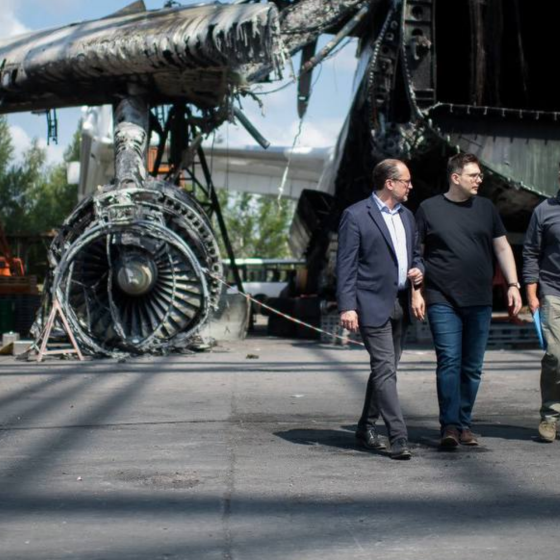
According to British government sources cited by the BBC, leaders from London, Paris, and Berlin were directly involved in helping to restore positive relations between the US and Ukraine.
1. Behind-the-Scenes Diplomatic Efforts
-
European Collaboration
- British, French, and German officials worked closely behind the scenes, with British Prime Minister Keir Starmer and his National Security Adviser Jonathan Powell collaborating with American counterpart Mike Waltz and top officials from France and Germany.
- The joint efforts focused on devising a plan that would lead to a temporary ceasefire and a series of confidence-building measures.
-
Key Diplomatic Initiatives
- Powell traveled to Kyiv over the weekend to meet with President Volodymyr Zelenskyy and assist in drafting a written proposal.
- The proposal included a temporary pause in hostilities, followed by measures such as prisoner exchanges, the return of Ukrainian children abducted by Russia, and the release of detained civilians.
2. The 30-Day Ceasefire Agreement
-
Agreement Framework
- During talks in Jeddah on March 11, 2025, the US and Ukraine reached an agreement to implement a 30-day ceasefire.
- President Zelenskyy stated that this ceasefire will come into effect as soon as Russia consents to it, emphasizing that the initiative centers on ensuring that the focus remains on Russia's willingness to engage in peace talks.
-
Security and Confidence-Building Measures
- The proposed ceasefire includes a "silence regime" on air and at sea, coupled with critical confidence-building steps intended to foster trust between the parties.
- The negotiations underscore that lasting peace must come from a shared commitment to end hostilities and build a secure environment for all affected.
3. The Role of European Leaders
-
Direct Involvement
- Sources revealed that the teams led by London, Paris, and Berlin worked in tandem to help Ukraine and the US return to a constructive negotiating environment.
- European officials emphasized the importance of shifting the focus to Russia’s response: “Does it want peace?” This strategic question was central to the behind-the-scenes efforts.
-
Restoring Diplomatic Balance
- The coordinated approach by these key European nations was critical in smoothing over differences and facilitating the negotiations.
- By reinforcing Ukraine’s position and leveraging their diplomatic influence, these countries helped create the conditions for the ceasefire agreement.
4. Broader Implications
-
Impact on Global Security
- The ceasefire, if fully implemented, represents a vital step toward de-escalating one of the most dangerous conflicts in Europe.
- It sets a precedent for multilateral engagement in peace negotiations, where regional allies help mediate and support international dialogue.
-
Strengthening Transatlantic Ties
- This agreement also reflects the strong partnership between Ukraine and its Western allies, reinforcing the transatlantic commitment to Ukrainian sovereignty and security.
-
Ongoing Negotiations
- While the current agreement focuses on a temporary ceasefire, both sides continue to engage in technical discussions aimed at establishing long-term security guarantees that will deter future aggression.
Conclusion
The involvement of the United Kingdom, France, and Germany was crucial in bridging the gap between Ukraine and the US, resulting in a 30-day ceasefire agreement. This milestone underscores the importance of multilateral diplomacy in addressing the ongoing conflict in Ukraine. By integrating confidence-building measures and ensuring that the negotiations keep Russia accountable, the international community reaffirms its commitment to a peaceful and secure future for Ukraine and Europe. The next steps will be critical in determining whether this temporary ceasefire can lay the foundation for a broader, lasting peace agreement.