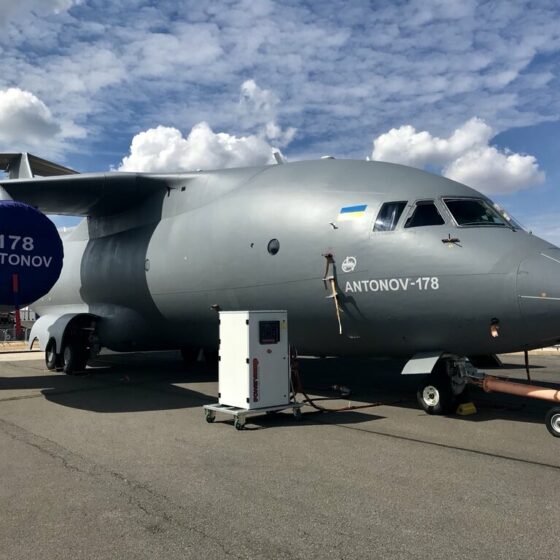
Their brief is clear—fast-track the inspections, safety audits and insurance protocols required to reopen commercial flights.
Starmer called the restart of air links “the ignition switch for Ukraine’s recovery,” arguing that passenger traffic will:
• reconnect families separated by more than three years of war
• restore high-value tourism and business travel, injecting foreign currency into cities from Lviv to Odesa
• reassure global investors that Ukraine is once again open for face-to-face deal-making
Economic multiplier
-
The Ministry of Infrastructure forecasts every one million airline passengers generates up to 15,000 jobs across airports, hotels and service sectors.
-
Kyiv-Boryspil handled 15 million passengers in 2019; even a partial rebound to half that volume could add 110–120 million dollars in local payroll within the first year of operations.
Conditional on a genuine ceasefire
London, Paris, Berlin and Warsaw jointly pressed Moscow to honour an unconditional 30-day stand-down. Failure to comply, Starmer warned, will trigger tougher sanctions and an expanded weapons package for Kyiv.
Next steps
-
UK Civil Aviation Authority engineers will pre-position equipment in Poland and Romania.
-
Lloyd’s of London brokers are drafting a war-risk insurance scheme underwritten by the UK Export Finance agency, ready to activate once monitors confirm sustained silence along the front.
The message to Ukraine’s airlines, airport operators and foreign carriers is simple: prepare your fleets and slots—Britain plans to help Ukraine’s skies reopen the minute peace gains altitude.