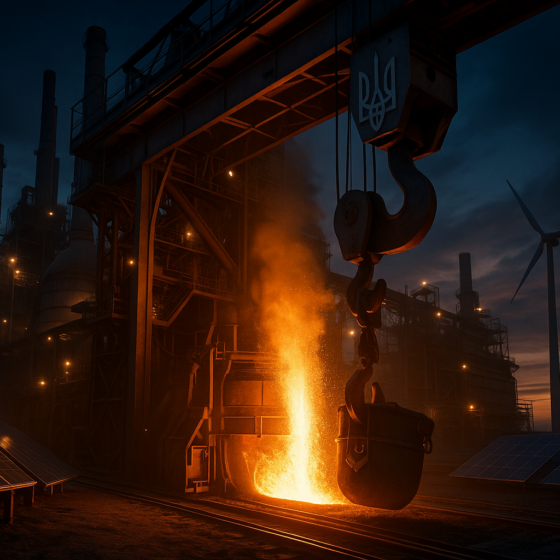
The European Union has delivered over €3 billion in assistance to strengthen Ukraine’s energy system since the start of Russia’s full-scale invasion.
According to EU Ambassador Katarina Maternova, this support has become essential to maintaining Ukraine’s energy stability amid ongoing attacks on critical infrastructure and ahead of another challenging winter season.
Maternova condemned the latest Russian strikes on Ukraine’s power facilities and highlighted that EU experts are working on-site, including in Chernihiv region, to assess and address the most urgent needs.
Structure of EU Energy Assistance
1. Financial and Technical Support
EU funding has covered:
-
Emergency repair and replacement equipment for damaged power and gas infrastructure.
-
Logistics and delivery coordination via the European Civil Protection Mechanism.
-
Targeted financing to stabilize Ukrenergo, Naftogaz, and other key operators.
One notable example was the dismantling of a thermal power plant in Vilnius, Lithuania, which was shipped in parts to Ukraine to help restore grid capacity.
2. Integration with the European Power System
A key milestone was the synchronization of the Ukrainian and Moldovan power grids with the European ENTSO-E network, enabling the transfer of up to 2.1 gigawatts per day.
This integration enhances Ukraine’s operational flexibility, grid stability, and access to European electricity markets — a critical factor for balancing supply during wartime outages.
3. Development of Distributed and Renewable Energy
The EU also supports the creation of a distributed energy supply network, encouraging local renewable generation, microgrids, and modernized electricity distribution systems.
These projects form part of the Ukraine Facility program, designed to improve energy resilience and reduce dependence on centralized, vulnerable assets.
“Winter Package” and Humanitarian Measures
In addition to structural support, the EU has approved a €40 million “winter package” to help Ukrainians endure the cold season.
This includes funding for humanitarian aid, energy-efficient shelters, heating equipment, and temporary power sources for communities affected by blackouts.
Strategic Context
The European Union’s ongoing support illustrates a shift from emergency relief to long-term energy integration.
By investing in decentralization, renewable energy, and grid interconnection, the EU is helping Ukraine move toward a self-sufficient, EU-aligned energy architecture — one less exposed to geopolitical risks.
Maternova stressed that defending Ukraine’s energy infrastructure is not only about survival but about securing the country’s future role in the European energy system.
Outlook
As winter approaches, Ukraine’s energy grid remains under constant pressure. However, EU assistance continues to mitigate risks, ensuring faster recovery from attacks and steady progress in modernization.
Over time, the combined effect of infrastructure repair, grid integration, and renewable development will transform Ukraine’s energy sector into a more resilient and sustainable system — anchored in the European network and supported by strategic investment.