This announcement was made by European Commission President Ursula von der Leyen during the World Economic Forum in Davos.
Key Achievements in Energy Independence
- Reduction in Russian Imports:
- Gas imports from Russia fell by 75%.
- Oil imports dropped to 3%.
- Coal imports from Russia ceased entirely.
- Pre-War Dependency:
- Before Russia's invasion of Ukraine, Europe relied on Russia for 45% of its gas, 50% of its coal, and a significant portion of its oil supplies.
Impact and Challenges
Von der Leyen highlighted that while Europe successfully reduced its dependency, the transition came at a cost:
- Households and businesses faced skyrocketing electricity costs.
- Energy independence now hinges on achieving low and stable energy prices, which clean energy is poised to deliver.
The Role of Clean Energy
Von der Leyen emphasized clean energy as the key to Europe’s energy transition:
- Current Status:
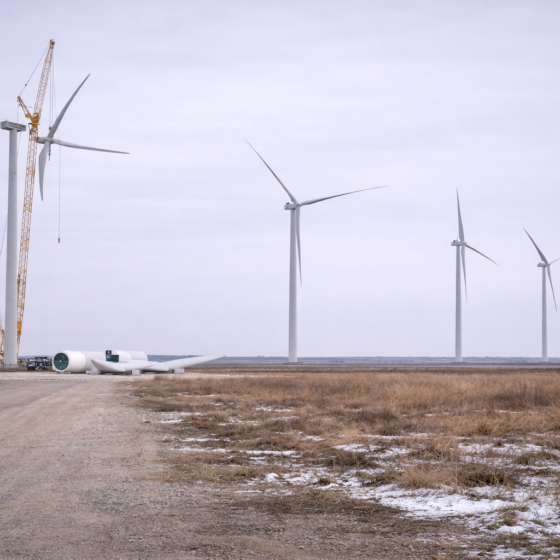
- Europe now generates more electricity from wind and solar than from all fossil fuels combined.
- Future Goals:
- Diversify energy sources further.
- Expand renewable energy generation and, in some countries, nuclear energy.
- Invest in next-generation technologies, such as geothermal energy and solid-state fusion batteries.
- Modernize electricity grids and storage infrastructure.
- Remove barriers to an integrated Energy Union.
Plan to Be Unveiled in February
The European Commission’s plan will focus on:
- Infrastructure Modernization: Mobilizing private capital to upgrade grids and storage systems.
- Technological Innovation: Encouraging development and adoption of cutting-edge clean energy technologies.
- Energy Union: Ensuring seamless distribution of clean electricity across the EU to stabilize prices.
Broader Implications
The clean energy initiative aligns with Europe’s ambition to remain competitive in global technology innovation while reducing reliance on external energy supplies.
Regional Tensions
The transition away from Russian gas has caused geopolitical friction:
- Russian Gas Transit Through Ukraine: Exports halted on New Year’s Day as the transit contract expired.
- Slovakia’s Position: Slovakia, reliant on Russian gas, sought to extend the transit agreement in 2023 but faced opposition, reportedly due to Ukraine's stance during the December EU summit.
Outlook
Von der Leyen underscored that Europe’s focus on clean energy will secure its independence and competitiveness in global markets:
“It is time to complete our Union on energy, ensuring clean electricity flows freely across our continent and lowers prices for all Europeans.”
The EU’s clean energy plan represents a pivotal step in transitioning to a sustainable energy system, fostering resilience against external dependencies, and mitigating climate change.