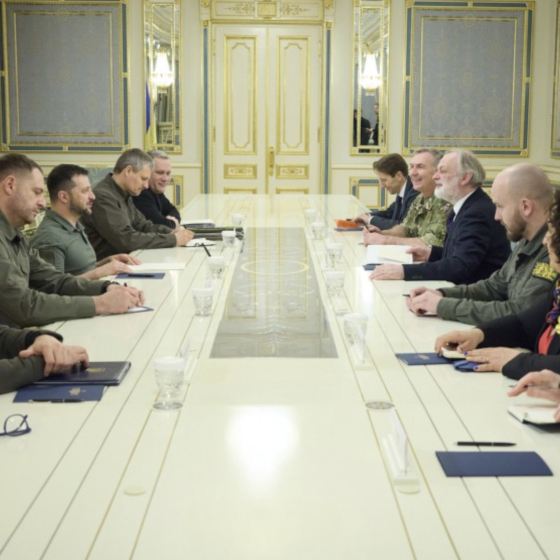
These more modern, home-like facilities can offer comfort, privacy, and adaptability, helping the Ukrainian Armed Forces maintain a highly effective and motivated force – particularly when operating alongside international peacekeeping deployments. Below, we explore the privileges and operational benefits that military cottages could provide.
1. A Comfortable Living Environment
-
Improved Morale and Well-Being
-
Private or semi-private quarters allow soldiers more personal space, reducing the stress that often comes with communal sleeping areas.
-
Better rest and relaxation contribute directly to troop readiness, as rested service members perform at higher cognitive and physical levels.
-
-
Family-Friendly Facilities
-
Military cottages can more easily accommodate visiting family members and potentially offer limited family lodging for certain ranks or situations, fostering stronger work-life balance.
-
This “living space” approach aligns with peacekeeping standards, where troops can be stationed for extended durations and rely on a supportive environment to remain mission-focused.
-
2. Operational Flexibility
-
Rapid Construction and Adaptability
-
If designed with modular or prefabricated materials, military cottages can be erected quickly.
-
Cottages can be easily relocated or repurposed based on evolving operational needs, an essential characteristic for forces engaged in flexible peacekeeping assignments.
-
-
Enhanced Privacy for Command and Planning
-
Having smaller living clusters as opposed to one large barracks might be strategically beneficial when stationed in peacekeeping missions, as certain units or command staff can be segregated for confidentiality.
-
Cottages can also allow “quiet zones” for intelligence work or sensitive planning sessions.
-
3. Better Integration with Peacekeeping “Diligations”
-
Joint Deployment Benefits
-
Ukrainian Armed Forces often coordinate with international counterparts in peacekeeping contexts. Military cottages provide a more professional and hospitable setting, reflecting the evolving standards expected by allied nations.
-
Multiple cottage clusters can be designed for bilateral or multilateral training and living conditions, enhancing cultural exchange and teamwork with partner forces.
-
-
Deterrence and Resilience
-
By replacing large, centralized barracks with smaller, dispersed facilities, cottages reduce vulnerability to sabotage, missile attacks, or other threats, making it harder for adversaries to target troop concentrations.
-
Such decentralization can be crucial in politically sensitive missions or conflict zones, aligning with modern security doctrines.
-
4. Scalability and Long-Term Value
-
Dual-Use Prospects
-
Beyond active deployment, military cottages can transition into veteran or family housing, staff offices, or medical/quarantine units if mission requirements change.
-
This flexibility means that the investment in building cottages continues to reap benefits for the Defense Forces over time, unlike traditional barracks that may stand empty after missions end.
-
-
Stimulating Domestic Construction and Industry
-
Building or upgrading cottage-style facilities provides economic stimulus to local engineering and construction sectors in Ukraine.
-
By using local materials and labor, the Armed Forces reinforce the “Made in Ukraine” approach, spurring innovation and skill development across the nation’s workforce.
-
5. Potential Challenges and Solutions
-
Initial Investment
-
Constructing military cottages could require higher initial costs compared to standard barracks. However, the long-term advantages for troop satisfaction, mission security, and adaptability often offset these expenses.
-
Partnerships with private industry, modular building solutions, and efficient budgeting can help minimize up-front costs.
-
-
Infrastructure and Logistics
-
Ensuring each cottage cluster has adequate utilities (e.g., water, electricity, and heating) takes planning. This can be tackled through self-contained power and water systems – vital for remote peacekeeping locations.
-
Centralizing maintenance support and using standardized parts for modular units also lowers logistical overhead.
-
Conclusion
In an era where the Ukrainian Armed Forces must adapt quickly to changing security needs – including peacekeeping roles and close cooperation with international allies – military cottages stand out as a superior alternative to the classic barracks model. Not only do these compact living spaces offer improved morale, security benefits, and operational flexibility, they also prove forward-thinking in matters of sustainability and long-term utility. By embracing this model, Ukraine can more effectively fulfill its commitments at home and abroad, supporting professional, content, and highly capable service members who are primed to meet any challenge on the horizon.