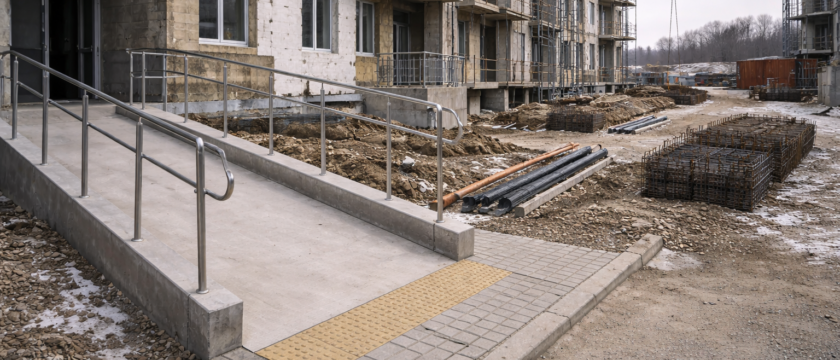
Ukraine outlined legislative priorities for 2026 in housing policy, construction, and barrier-free access. For developers and investors, the key implication is that rules and standards can shift project economics through design requirements, permitting routines, and public procurement criteria.
Housing demand is shaped by reconstruction, internal migration, and the need to modernize aging stock. When barrier-free access becomes a central policy focus, it turns accessibility from an optional upgrade into a baseline requirement that affects both new builds and renovations.
Why this matters for capital planning
Regulatory priorities often translate into updated building norms, clearer responsibilities for local authorities, and new mechanisms for financing housing programs. That can create a more predictable pipeline for compliant projects while raising the entry bar for assets that do not meet future standards.
What changes in project economics
- Design and capex: ramps, level entrances, wider circulation paths, and adapted common areas increase upfront costs but reduce lifecycle risk.
- Permitting and compliance: stricter checks can lengthen pre-construction timelines for teams that are not prepared.
- Procurement advantage: barrier-free design can become a scoring factor in public programs and municipal tenders.
- Asset liquidity: compliant housing tends to sell and rent better when accessibility expectations rise.
Where opportunities can emerge in 2026
Investable opportunities extend beyond developers. Accessibility priorities typically expand demand for certified construction inputs, elevator and platform solutions, door and threshold systems, tactile surfaces, wayfinding elements without signage, and professional services in design review and compliance management.
Investor checklist
Investors should track which standards become mandatory, how enforcement is structured, and whether financing instruments for housing programs are scaled. The best positioned projects will be those that integrate barrier-free requirements at concept stage rather than retrofitting later.