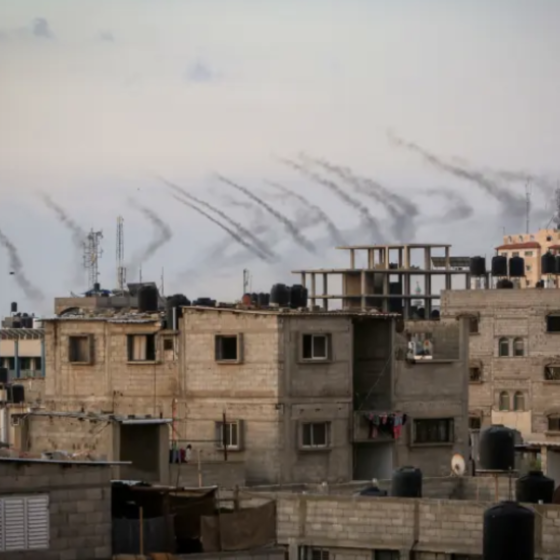
Despite the complexity and secrecy surrounding the negotiations, some topics—namely ensuring the safety of Black Sea shipping lanes and Ukraine’s energy infrastructure—have surfaced repeatedly. Below is a look at who is involved, what’s being discussed, and what to expect next.
1. The Riyadh Talks: Background and Purpose
According to multiple sources, including Ukrainian and Russian officials, recent meetings in Saudi Arabia are part of an ongoing diplomatic attempt to prevent further escalation in Ukraine, particularly regarding critical infrastructure and shipping.
-
Focus on Ceasefire
Reports point to a possible 30-day “pause” in missile and drone strikes on Ukrainian energy facilities and along maritime routes in the Black Sea. However, Russian forces have continued launching attacks despite rumors of a temporary halt. -
Potential Black Sea Corridor
One proposal contemplates a grain corridor allowing Ukraine to export agricultural goods from its ports without being targeted—a follow-up to previous grain deals. Russia seeks reciprocal easing of sanctions on its own exports.
2. “Third Prize” Negotiations: High Expectations, Slender Progress
-
Energy Infrastructure and Port Protections
– Senior Ukrainian officials, including Serhiy Leshchenko from the President’s Office, have emphasized the priority to shield civilian power grids and maritime routes.
– Negotiators mention the necessity of finalizing a workable plan, but caution that formal agreements might require weeks or months of talks. -
Humanitarian Issues
– Ukraine has raised the return of abducted children and prisoner exchanges, seeking the release of both military and civilian captives.
– Russia’s stance on these demands remains publicly ambiguous, with no tangible shifts reported.
3. Shifting Delegations: Who’s at the Table?
Unlike prior sessions, delegations have significantly changed in composition, reflecting the fluid nature of these negotiations.
-
Russia
-
Sergey Beseda (reportedly linked to the FSB)
-
Grigory Karasin, who was a key diplomat during the 2014 “Minsk process” negotiations
-
-
Ukraine
-
Rustem Umerov, Minister of Defense
-
Oleksandr Karasevich, State Secretary at the Ministry of Health
-
Advisers from the Office of the President: Pavlo Palis (military matters) and Ihor Zhovkva (diplomatic matters)
-
Mykola Kolisnyk, Deputy Minister of Energy
-
-
United States
While high-profile figures like Secretary of State Marco Rubio or National Security Adviser Michael Waltz are not present, the American team may include:-
Andrew Pik, Senior Director at the National Security Council (NSC)
-
Michael Anton, Director of Policy Planning at the State Department
-
Possibly assistants connected to Keith Kellogg, known for prior involvement in U.S.-Russia-Ukraine dialogues
-
These new faces underscore that each side is simultaneously testing new diplomatic strategies and limiting media disclosures.
4. Key Topics on the Table
-
Territorial and Demarcation Lines
-
President Donald Trump commented publicly about “territory” and “demarcation,” implying that any peace framework demands clarifying front lines or buffer zones.
-
-
Ownership of Critical Facilities
-
Trump also mentioned that Washington and Kyiv are still in talks concerning the fate of the Zaporizhzhia Nuclear Power Plant, which Russia currently occupies.
-
Safety at the NPP remains a global concern; any deal may require a neutral peacekeeping presence or formal handover arrangements.
-
-
30-Day ‘Quiet Period’
-
Amid ongoing aggression, the rumored “30-day ceasefire” for Ukrainian energy infrastructure has yet to materialize, but it remains a recurring discussion point.
-
Both Ukrainian and Russian officials claim the other side is escalating attacks, hindering progress.
-
5. Negotiation Timelines and Future Rounds
-
Ongoing Sessions
-
On March 25, Ukrainian and American teams convened again, exploring partial agreements—though no firm breakthroughs were announced.
-
-
Media Speculation
-
Foreign outlets report conflicting claims about possible Chinese peacekeepers or deeper involvement, something Beijing swiftly denied.
-
Diplomatic watchers note that Moscow’s vow to halt strikes remains unfulfilled, heightening skepticism.
-
-
Statements from Diplomats
-
Former Ukrainian Foreign Minister Pavlo Klimkin and ex-ambassador to the U.S. Valeriy Chaliy assert that Russia leverages “maximalist” demands while waiting for the Trump administration to pressure Ukraine into a disadvantageous deal.
-
Conclusion
Amid swirling talk of Black Sea corridor arrangements, energy-infrastructure pauses, and ongoing attacks, the negotiations in Riyadh offer little clarity. Officials keep cautioning that these sessions are “not for one day”, emphasizing that incremental steps—like prisoner exchanges or partial halts to attacks—are preconditions for moving forward.
The hope is that further diplomatic rounds can yield practical confidence-building measures. Whether such a complex triad of U.S., Ukrainian, and Russian interests can align to form an enduring peace remains questionable, as all sides maintain strong red lines and conflicting timelines. For now, the negotiations are worth the “third prize”—steady but slow attempts to curb human suffering and prevent an even more dangerous escalation.