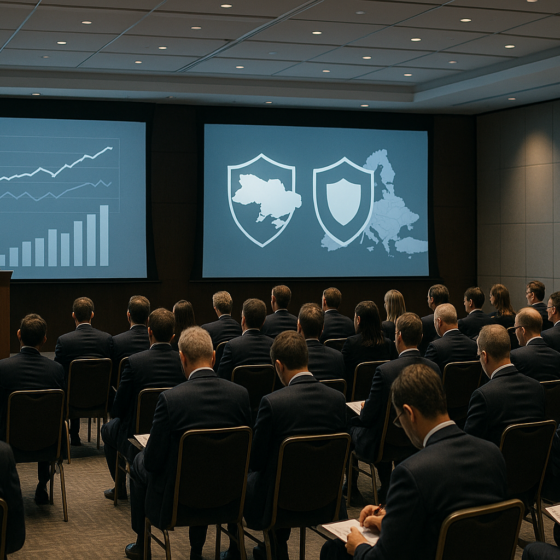
While short-term solutions like renting or living in barracks often come to mind, owning property can be a practical and financially sensible decision. Below, we explore the typical duration of peacekeeping tours, the long-term benefits of home ownership in Ukraine, and how real estate can become a valuable asset during and after the mission.
1. Mission Duration: How Long Can a Deployment Last?
-
Standard Rotations and Extensions
-
Peacekeeping missions in Ukraine can range from six months to two years or longer, often dependent on the evolving security situation.
-
In some cases, soldiers or officers with specialized roles (e.g., training local forces, logistics, or humanitarian liaison) may have extended tours up to 24–36 months.
-
-
Possibility of Multiple Tours
-
Due to continuity needs or shifting treaties, foreign personnel are sometimes reassigned back to Ukraine for consecutive or later tours.
-
Having a personal residence may offer a stable base for future postings rather than relying on temporary housing each time.
-
-
Off-Duty Comfort
-
Even in a short deployment, living in a personalized space reduces the stress of frequent relocations. Knowing you have a secure living environment can significantly impact morale and well-being.
-
2. Financial and Practical Benefits of Owning
-
Cost-Efficiency Compared to Long-Term Rentals
-
Extended deployments often lead to high cumulative rental expenses. Purchasing can deliver better cost efficiency—particularly if you can recoup your investment when selling.
-
Mortgage payments or property investments may be comparable to or less than monthly rent costs, especially if you plan on multiple missions.
-
-
Appreciation of Real Estate
-
Certain regions in Ukraine, notably Kyiv, Lviv, and other major cities, have shown steady real estate value growth over time, albeit with fluctuations due to geopolitical factors.
-
Owning a property could become an appreciating asset, allowing a foreign peacekeeper to sell at a profit if the local market remains stable or recovers further post-conflict.
-
-
Security and Autonomy
-
A personally owned home grants you complete control over security measures and daily living—unlike shared barracks where you may have fewer privileges or personal space.
-
Home ownership can also reduce the risk of unexpected relocations or fluctuating rental terms common in conflict-affected regions.
-
3. Personal Comfort and Lifestyle Advantages
-
Family Visits and Private Life
-
For officers or NCOs whose families may occasionally visit, a private residence is more comfortable than short-term accommodations.
-
Owning property allows for family-friendly amenities, such as extra bedrooms, private outdoor space, and the opportunity to customize.
-
-
Cultural Integration
-
Purchasing and living in a local neighborhood can foster stronger ties with the community. Peacekeepers often mention that forging personal connections aids in understanding local culture and daily challenges, enhancing mission success.
-
-
Resale or Rental Potential
-
If you decide to move back home or receive another posting, a well-maintained house or condominium in a city like Kyiv or Odesa can be rented out or resold.
-
Demand for mid-range housing from local professionals and expatriates can remain stable, providing regular income or a swift exit strategy.
-
4. Key Considerations Before Investing
-
Legal and Administrative Steps
-
Understand local property acquisition laws for foreigners. Generally, foreigners can purchase most types of real estate in Ukraine, though farmland is restricted.
-
Engage a reputable real estate lawyer or agent to navigate contracts, title checks, and potential bureaucratic challenges.
-
-
Security and Location
-
Opt for locations in or near safe zones, possibly recommended by your mission’s security office.
-
Evaluate distances to essential amenities: hospitals, shops, and your base of operations.
-
-
Budgeting and Financing
-
Explore whether your home country’s bank or certain international lenders will underwrite mortgages in Ukraine. Alternatively, you may use cash or a local bank loan if permissible.
-
-
Possible Political and Economic Fluctuations
-
While peacekeeping efforts aim to stabilize the region, external factors can influence property values. A thorough risk assessment of the macro-economic climate is essential.
-
Conclusion
For foreign military personnel on a peacekeeping mission in Ukraine, buying a house can be a wise, multi-faceted investment—offering stability, personal comfort, and potential long-term financial returns. Deployments often last longer than anticipated, and having a property not only enhances daily life but can serve as an appreciating asset in a recovering marketplace. By conducting proper due diligence on legal aspects, location safety, and local real estate trends, peacekeepers can lay the foundation for a secure and potentially profitable stay in Ukraine.