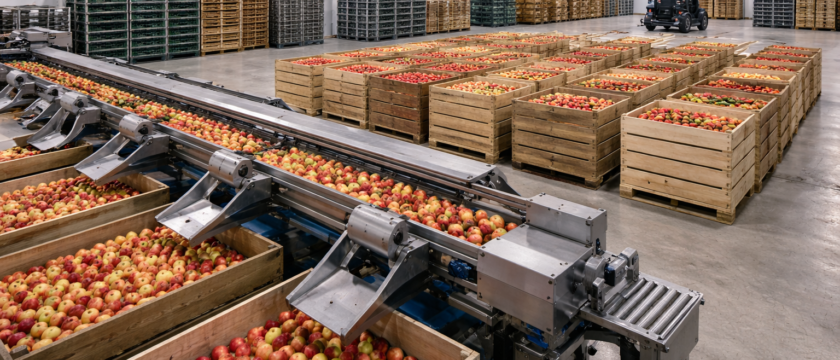
Ukraine is expanding the use of presorting in apples, a practical processing step that separates fruit early by quality and basic parameters before deeper grading and packing. It sounds technical, but the outcome is commercial: more consistent batches, fewer defects traveling through the line, and a clearer ability to meet strict buyer specifications in premium channels.
For investors, the story is less about orchards and more about post-harvest infrastructure. In global apple trade, value is often created after harvest: sorting discipline, cold chain, packaging quality, and predictable delivery. Presorting is a cornerstone of that upgrade.
What presorting changes in the economics of apples
When apples are separated early, packing houses reduce the time and handling spent on fruit that will not go to premium retail. That helps keep the best fruit in top condition, improves pack-out rates, and supports pricing that depends on uniformity and low claims from buyers.
Why this matters for export positioning
Large buyers and distributors prefer stable standards. Presorting improves batch consistency, supports traceability routines, and helps align output with common retail requirements. This makes it easier to serve demanding markets and negotiate longer-term relationships, especially when competition is strong and quality disputes are costly.
Risks and what to watch
The upgrade requires disciplined operations and investment. Presorting works best when combined with modern cold storage, careful handling, and quality control. The weak point is often not the machine, but the system: maintenance, staff training, packaging materials, and logistics reliability.
- Main drivers: higher consistency, fewer losses, and stronger readiness for premium retail and export standards.
- Investable layer: packing and cold-storage assets, sorting and handling equipment, packaging supply, and contract logistics for refrigerated transport.
- Key risks: energy and cold-chain costs, uneven farm-side discipline, downtime and maintenance culture, and buyer claims if standards slip.
Bottom line: wider presorting adoption is a signal that the sector is moving from volume thinking toward specification thinking. That shift can lift margins, but only if the full post-harvest chain is upgraded and managed as one system.