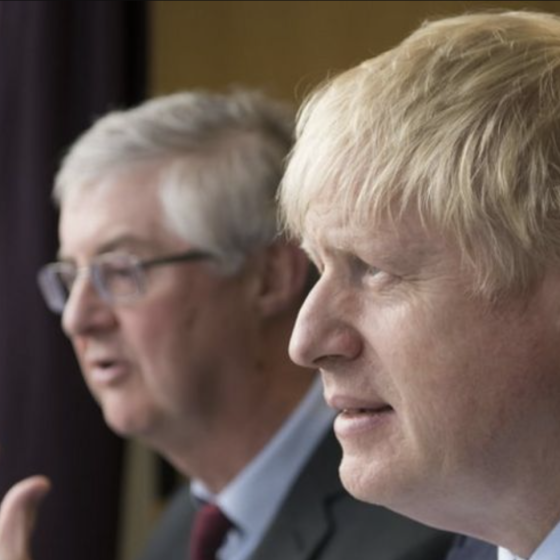
Following the European Council meeting in Brussels, Ukraine confirmed EU financial assistance will continue through 2027, extending beyond previously signaled timelines. Political consensus also emerged to channel proceeds from frozen Russian assets to Ukraine, with the European Commission tasked to finalize legal and technical mechanisms.
President Volodymyr Zelensky signaled positive developments in air defense support and ongoing cooperation to reinforce Ukraine’s energy sector, including restoration of damaged facilities and critical supplies. The EU also approved its 19th sanctions package against the Russian Federation, with Ukraine set to synchronize national measures accordingly.
Key Decisions and Signals
-
Multi-year EU funding (through 2027): Provides medium-term budget visibility for Ukraine’s fiscal planning, social expenditures, and defense-adjacent priorities.
-
Frozen Russian assets: Political will to deploy related revenues for Ukraine; the Commission will define implementation rules, risk safeguards, and distribution channels.
-
Air defense support: Non-public commitments indicate near-term cooperation to accelerate deliveries and integration with Ukraine’s air defense architecture.
-
Energy resilience: Continued partner engagement to restore infrastructure and secure winter-critical resources.
-
19th EU sanctions package: Additional restrictions target Russia’s economic and military capacity; Ukraine will mirror measures and urges non-EU European partners to align.
Why It Matters for Investors
-
Budget predictability: A committed EU funding horizon through 2027 reduces sovereign financing risk, supports macro-stability, and strengthens the outlook for multilateral co-financing.
-
Reconstruction pipeline: Clarifying a mechanism to use proceeds from frozen Russian assets would unlock incremental, rule-based funding for recovery projects—power, transport, housing, and critical industry.
-
Defense and energy capex: Expanded air defense and energy restoration programs imply sustained demand for equipment, services, and local EPC capacity, supporting industrial and infrastructure names with Ukraine exposure.
-
Policy alignment: The 19th sanctions package and potential UK/Norway/Switzerland alignment tighten compliance perimeter, shaping supply chains, trade flows, and risk premia across the region.
Implementation Watchpoints
-
Asset-use framework: Timeline for EU legal instruments; treatment of principal vs. windfall/interest proceeds; governance of allocation and oversight.
-
Budget execution: Disbursement cadence, conditionality, and integration with Ukraine Facility frameworks to manage transparency and procurement.
-
Air defense deliveries: Lead times, interoperability, and sustainment funding for munitions, spares, and training.
-
Energy projects: Prioritization between rapid repairs, distributed generation, grid hardening, and winterization measures.
Outlook
The Brussels outcome cements a multi-year external financing backstop and advances tools to monetize frozen Russian assets—two pillars that meaningfully improve Ukraine’s macro visibility and reconstruction runway. Near-term security and energy measures should stabilize operating conditions, while sanctions pressure increases the cost of Russia’s war effort.
For investors, the direction of travel is clear: more predictable funding, deeper policy alignment with the EU, and a growing pipeline of defense and energy resilience projects through 2027.