Executive takeaways
-
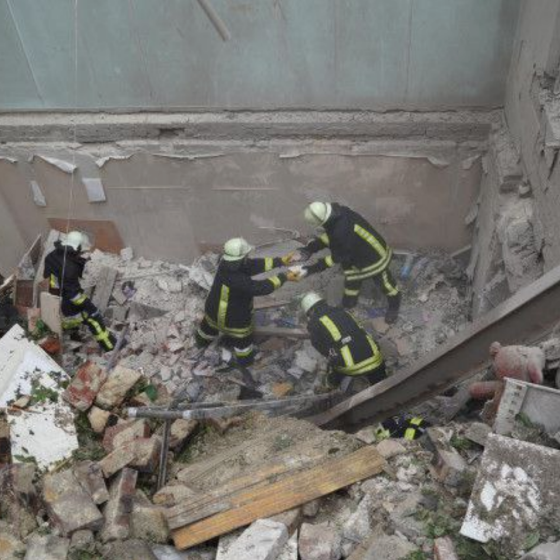
Kyiv new builds: ~$1,270/m²—among the lowest in Europe’s capitals.
-
Western/Northern EU peers: $6,900–$12,800/m² (Madrid to Luxembourg).
-
Price gap of 3–10× reflects wartime risk, income differentials, financing costs, and supply mix—not construction quality alone.
-
Core thesis: If macro/security risks continue to moderate, convergence potential is significant, led by safety-ready projects (shelters, autonomy, energy efficiency).
Benchmark prices (USD/m², headline new-builds)
-
Ankara — 1,045
-
Kyiv — 1,270
-
Bucharest — 2,000
-
Tirana — 2,300
-
Rome — 4,400
-
Warsaw — 4,400
-
Bratislava — 4,500
-
Athens — 4,700
-
Madrid — 6,900
-
Helsinki — 7,100
-
Copenhagen — 7,600
-
Berlin — 8,300
-
London — 9,530
-
Paris — 12,400
-
Luxembourg — 12,800
Ratio vs. Kyiv: Warsaw ~3.5×, Berlin ~6.5×, London ~7.5×, Paris ~9.8×, Luxembourg ~10.1×.
Why Kyiv is so cheap (and why that may change)
1) Wartime risk → higher yields, lower entry prices
-
Elevated risk premia depress valuations despite sustained end-user demand in safer districts.
-
Developers prioritize liquidity and faster sell-through, keeping list prices competitive.
2) Financing constraints
-
Mortgages remain costlier and harder to obtain than in the EU, capping affordability and pricing power.
-
Where state programs (e.g., preferential loans) operate, take-up strengthens—but breadth is still limited.
3) Supply mix & construction phase
-
Many offers are pre-completion, traditionally priced below delivered stock.
-
Newer projects integrate resilience features (shelters, backup power, water, comms), which support pricing in specific submarkets.
4) Income differentials
-
Local income levels trail EU averages; imported materials and capex inflation pressure margins, not headline prices.
What buyers look for now (the “resilience premium”)
-
Shelters with ventilation & sanitary zones
-
Autonomous energy (generators, rooftop boilers/heat pumps, storage)
-
Fire-safe envelopes (mineral wool, fire doors)
-
Digital continuity (UPS for routers/common areas)
-
On-site services (clinics, daycare, co-working, logistics points)
Projects that check these boxes are already outperforming on absorption and price stability versus legacy stock.
Market outlook (12–24 months)
Base case:
-
Gradual price firming in Kyiv’s safer districts and western cities; limited new-start pipeline + higher input costs = floor under prices.
-
Discounts narrow on completed units with full resilience specs; pre-sale gaps to delivery tighten.
Upside case (security improves + cheaper credit):
-
Convergence trade: fastest relative gains in mid-market, well-located, resilience-ready buildings.
-
Capital rotation from rentals and deposits into owner-occupied and buy-to-let units.
Downside risks:
-
Escalation or infrastructure shocks;
-
FX volatility and real income pressure;
-
Construction delays from labor/material constraints;
-
Policy shifts (VAT/excise/utilities) impacting OPEX.
Practical buyer notes
-
Prioritize delivered or near-delivery phases where possible; verify shelter specs and MEP redundancy.
-
Stress-test utilities: backup power capacity (kW/unit, fuel autonomy), water storage, telecom failover.
-
Check building envelope: mineral wool thickness, U-values, fire segmentation, certified doors.
-
Scrutinize HOA budgets: generator fuel policy, maintenance reserves, service contracts.
-
Consider mortgage lock-ins if rates dip; total cost of ownership (utilities, HOA) matters more than price/m² alone.
Methodology & caveats
-
Figures represent headline USD/m² for new-build apartments by city, rounded.
-
Local definitions of “new build,” finish level (shell vs. turnkey), taxes/fees, and submarket mix vary—compare within similar specs.
-
Kyiv data reflect citywide averages; prime/safe districts can command materially higher prices.
Bottom line
Kyiv’s ~$1.27k/m² pricing is an outlier in Europe. The gap is chiefly risk and financing, not fundamentals. As resilience becomes standard and macro risks normalize, select Kyiv assets—especially in safer, infrastructure-solid districts—offer compelling convergence potential relative to EU peers.