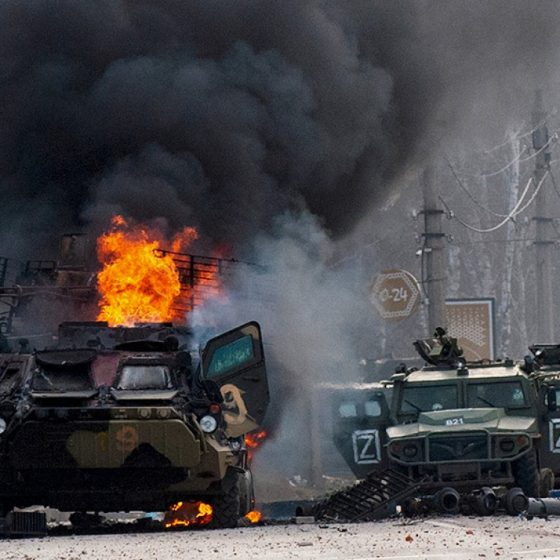
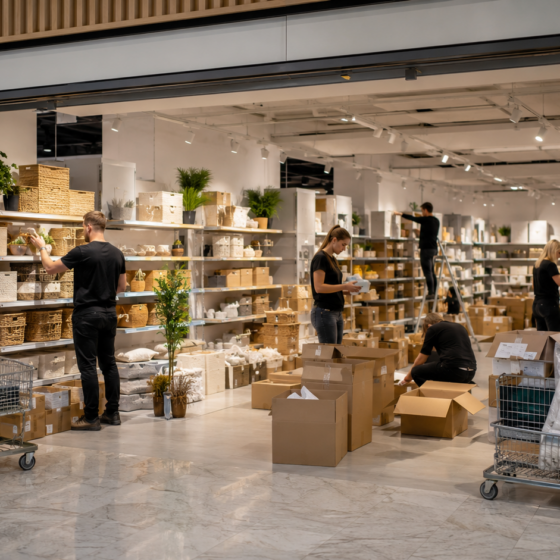
Ukraine’s housing market won’t “return to 2021.” Too much has changed — people, risks, geography of safety, even what “comfortable housing” means. After the war, demand will spike because of the return of Ukrainians from abroad and reconstruction programs — but people will buy very differently.
Below is what will sell first and what developers should already be designing.
1. Geography of demand: west and center go first
After victory, the hottest markets will be:
-
Lviv, Ivano-Frankivsk, Ternopil
-
Vinnytsia, Khmelnytskyi, Cherkasy
-
cities officially cleared for construction and where critical infrastructure is protected
Logic is simple: people will buy where it’s perceived as safe and where the state (or donors) invests in protection, roads, schools, hospitals.
2. “Safe house” becomes a must-have, not a bonus
Before 2022, a shelter in a residential complex was “nice to have”. Now it’s one of the first questions.
What buyers will look for:
-
shelter in the building / on the stylobate / nearby
-
autonomous heating (roof boiler room, individual heat points)
-
backup power for elevators, access, lighting
-
places for telecom and Starlink
-
option to add solar / hybrid inverter
That is, the apartment itself may be standard, but the building must survive outages and alarms.
3. Low-rise and suburbs on steroids
War pushed people to rethink density. A lot of families will choose:
-
townhouses
-
duplexes / quadplexes
-
compact cottages near big cities
Why:
-
independence from city utilities
-
own land (storage, generator, shelter, water)
-
quieter and safer environment
So the belt around Kyiv, Lviv, Ternopil, Rivne, Vinnytsia will grow faster than high-rises inside cities.
4. Autonomy by design
New projects are already doing this, and after the war it will be standard:
-
closed courtyards without cars
-
independent heating
-
diesel/gas/ hybrid generator for common areas
-
ventilated shelters with bathrooms
-
storage for strollers / mobility aids / emergency reserves
People will pay more not for “panoramic glazing”, but for stability in blackouts.
5. Big block of “social” and donor housing
There will be a separate, very active segment — housing for:
-
people who lost their homes
-
IDPs who stayed in safer regions
-
veterans and their families
This will mostly be compact, energy-efficient, low-rise housing with simple layouts. Part of it — at the expense of international partners, part — under state programs, part — PPP. This block will pull the construction market in the first 2–3 years after the war.
6. Mixed-use and “15-minute” format
Another change: people don’t want to commute far. So projects that combine:
-
housing
-
services on the first floors
-
coworking / children’s rooms
-
medicine / rehab
will sell faster. Especially in cities that will receive a large number of returnees.
7. Commercial real estate will follow the “safe map”
Where business restarts, there will be demand for:
-
small offices
-
warm warehouses
-
light industrial
And this will push housing nearby — because people want to live where they work.
Bottom line: the post-war buyer will be more demanding and more rational. The formula “location + price per m²” won’t be enough. It will be location + safety + autonomy + community. Whoever builds this — will sell first.