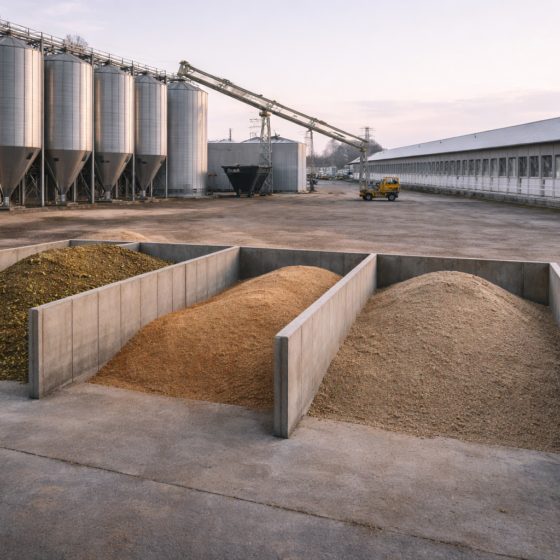
Rheinmetall has selected and officially received a site for its planned ammunition plant in Ukraine, according to public comments by the company leadership. The project had previously been delayed after Ukraine requested a change of location, but the company now says the plot is allocated and equipment supply orders for the facility are already in motion.
For investors, this is a concrete milestone: the conversation shifts from intent to execution. Site allocation and equipment procurement are the two steps that usually unlock schedules, contracting, and financing structures around industrial delivery.
Why this matters beyond one factory
A modern ammunition plant is also an industrial platform. It requires metalworking, precision components, utilities, logistics, and compliance-controlled procurement. If the project progresses, it can pull local suppliers into higher-spec manufacturing, stimulate investment in industrial services, and create a reference case for additional defense-industrial localization.
What needs to be solved next
Company messaging highlights that organizational and regulatory questions still need clarification. In practice, the next stage tends to concentrate around permitting, grid and utility connections, customs and controlled imports of equipment, labor onboarding, and a security architecture that meets wartime realities.
Investor angle: opportunities and risk surfaces
The investable perimeter is often the supply chain around the core facility: certified inputs, machining and maintenance services, industrial construction, secure logistics, and resilient power solutions. At the same time, risk is concentrated in physical protection, insurance viability, regulatory predictability, and the ability to sustain output under disrupted infrastructure conditions.
- Opportunities: local supplier upgrading, industrial contracting, secure logistics, and energy resilience services for high-load factories
- Execution watchlist: permitting and compliance workflow, procurement transparency, workforce availability, and utility capacity
- Key risks: security and continuity planning, regulatory delays, and dependency on critical imported equipment and inputs
Bottom line: the site decision is a meaningful step, but the investment story will be defined by how quickly rules are cleared, how protection and continuity are engineered, and how much of the supply chain can be localized at the required quality level.