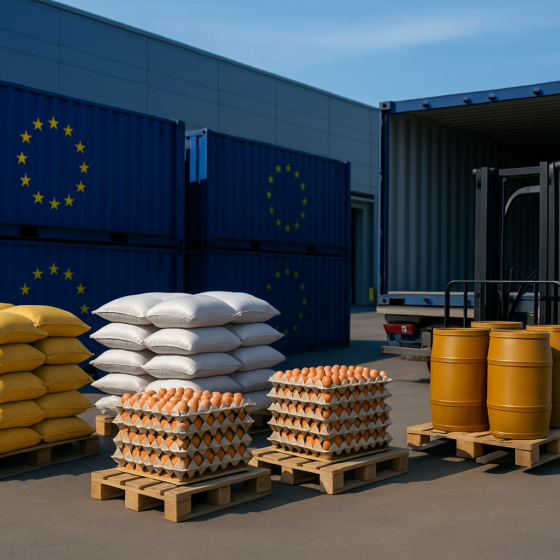
The European Union and several member states have officially launched a new programme to support Ukraine’s recovery — EU4Reconstruction — under the Team Europe umbrella. The total budget of the project is €37.5 million, and it is planned to run until 30 June 2028. Part of the funds — €5 million — has already been allocated.
According to Lithuanian Ambassador to Ukraine Inga Stanytė-Toločkienė, this initiative was first outlined at the Ukraine Recovery Conference in Rome, where European partners agreed to co-finance a package aimed not only at rebuilding objects, but also at strengthening Ukraine’s institutions responsible for reconstruction. The logic of the programme is to combine money, technical expertise and digital tools so that recovery is transparent, traceable and aligned with EU standards.
What the programme will strengthen
EU4Reconstruction is designed to work on several levels at once:
-
National level. The programme will strengthen the leadership and capacity of the Ministry of Community and Territorial Development and the State Agency for Restoration and Infrastructure Development — the key bodies that coordinate recovery projects.
-
Local level. Ukrainian communities will receive support so they can professionally plan, procure and maintain reconstruction projects.
-
Public control. Civil society and independent media will be involved to monitor how funds are used, increasing trust and reducing corruption risks.
In this way, the programme is not just about building roads or schools — it is about creating a stable reconstruction system that can absorb larger volumes of international assistance.
Part of a broader Team Europe approach
Team Europe is the EU’s strategic format for helping partner countries deal with war, economic shocks, climate and other long-term challenges. In Ukraine’s case, this format brings together EU institutions and individual member states so that support for recovery, infrastructure, local self-government and oversight is coordinated, not fragmented. The new programme continues this line: “step by step, project by project,” as the Lithuanian diplomat put it, Ukraine is being brought closer to EU practices and standards.
Why this matters for Ukraine
-
it gives a predictable recovery tool until mid-2028;
-
it focuses on transparency and digitalisation, which donors insist on;
-
it strengthens local authorities, which are often the implementers of reconstruction on the ground;
-
it supports public oversight, which helps maintain trust in reconstruction even during the war.