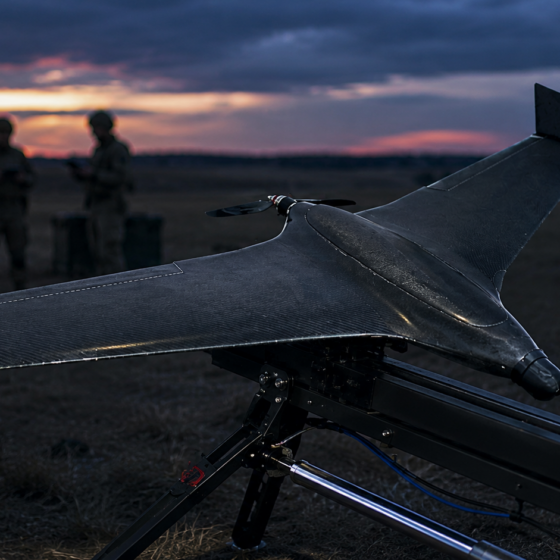
Ukraine is considering a simplified legal regime for low-altitude aircraft known as aeromobiles. The draft law registered in parliament aims to reduce barriers for owners, engineers and companies developing advanced air mobility, while still keeping the sector inside a formal registration and safety framework.
The proposal would remove the requirement for full pilot certificates for owners of such vehicles and introduce fast electronic registration. Instead of the classic aviation school route, future operators could complete a free online course and at least fifteen hours of supervised practical training with an instructor. The idea is to make the first wave of small air mobility projects easier to test and commercialize.
Innovation with a defense angle
The reform is not only about personal transport. The bill is designed for entrepreneurs, engineers and volunteer teams working on new mobility systems, including solutions that may support Ukraine’s defense needs. Low-altitude aircraft can be useful for logistics, monitoring and rapid movement in areas where conventional infrastructure is limited or exposed to risk.
For the technology market, the key signal is regulatory predictability. Without clear rules, prototypes remain stuck between aircraft certification, drone regulation and experimental use. A simplified category could allow developers to understand which technical standards apply, how an owner registers a vehicle and what training is enough before operation.
The challenge will be balance. If the rules are too strict, the market may stay theoretical. If they are too loose, safety concerns could block public trust. Ukraine is trying to create a middle path: lighter procedures for a new class of aircraft, but with registration, training and accountability still built into the system.