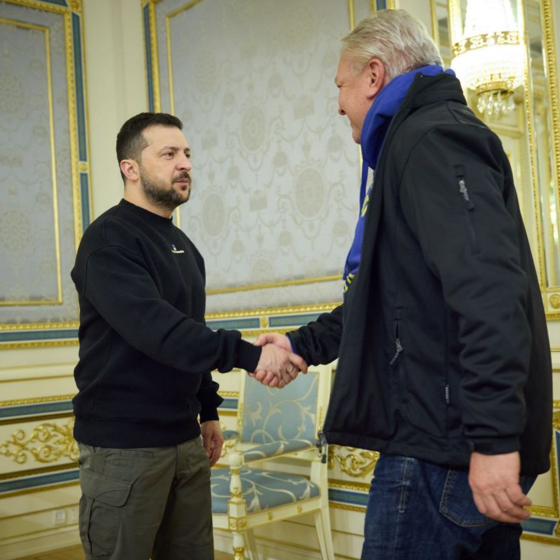
Ukraine and the European Union have held another round of talks on aligning Ukraine’s energy legislation with EU rules. The discussions covered electricity and gas market reform, consumer protection, renewables integration and security of supply. For investors, this process is critical: the closer Ukraine’s framework is to EU law, the easier it becomes to structure bankable projects and long-term cross-border deals.
From emergency mode to full market integration
Since 2022, Ukraine has operated its power system synchronously with ENTSO-E and has become an important part of Europe’s energy security architecture. At the same time, much of the domestic regulation still reflects pre-war conditions and only partial implementation of the EU acquis. The current dialogue focuses on updating primary and secondary legislation so that market rules, grid codes and regulatory powers mirror those of the EU internal energy market.
This includes further liberalisation of the electricity and gas markets, transparent tariff-setting, competitive balancing and clear responsibilities for system operators and regulators. The agenda also covers support schemes for renewables and storage, as well as mechanisms to protect vulnerable consumers during the transition.
Why alignment matters for investors
For energy companies, financiers and infrastructure funds, legal alignment reduces political and regulatory risk. Projects structured under EU-compatible rules are easier to finance with participation from European banks, export credit agencies and climate-focused funds. It also opens the door for more cross-border trading, capacity allocation and joint investments in interconnectors, renewables and flexibility assets.
- greater predictability of tariffs, market access and licensing rules;
- clearer ESG and consumer-protection requirements that match EU standards;
- better visibility on how Ukrainian assets can participate in regional markets;
- stronger basis for long-term power purchase agreements and gas supply contracts.
The road ahead
The EU and Ukraine agreed on a roadmap of priority legislative changes and technical assistance. Implementation will take time and will require coordination between the government, regulator, system operators and market participants. However, each step towards alignment brings Ukraine closer to full integration into the European energy space.
For investors building a pipeline in generation, storage, networks or energy efficiency, it is important to track how quickly these reforms move from declarations to adopted laws and secondary regulations. Those who position early, understanding the direction of EU-style rules, may secure the best sites, offtake structures and partnerships as Ukraine’s energy system shifts from emergency resilience to long-term modernisation.