Ukraine is looking at forest seedlings as a new export niche. The EU consumes about 2.4 billion seedlings per year, while Ukraine’s domestic need is estimated at roughly 20 million units and its potential export capacity could reach about 10 million seedlings.
The Ministry of Economy sees forest seed production as both an environmental and economic direction. Demand is focused on key species such as pine, spruce, fir, larch and oak, which are used in European reforestation and climate programs.
Why the niche is opening
Ukraine already has nine modern forest nurseries with combined capacity of about 14 million seedlings per year. By 2030, the target is to increase this to 30 million. The difference between domestic need and production capacity creates an export window.
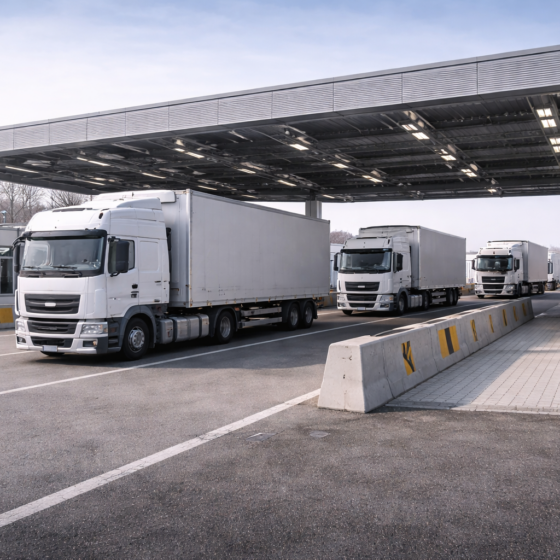
Another advantage is geography. Seedlings are fragile and time-sensitive after lifting, so short logistics to Poland, Slovakia, Romania, Hungary and the Baltic countries can matter as much as price.
Certification and investment
Access to the EU market will require certification of planting material and confirmation of seed origin. Ukraine’s low-risk status under the EU Deforestation Regulation helps, because it signals stronger forestry governance and digital reforms.
The business is not instant. A nursery cycle can take one to three years, and investment in capacity may be significant. But for farms with land and water access, seedlings can become a higher-value alternative to traditional crops, especially in regions suited to conifer cultivation.