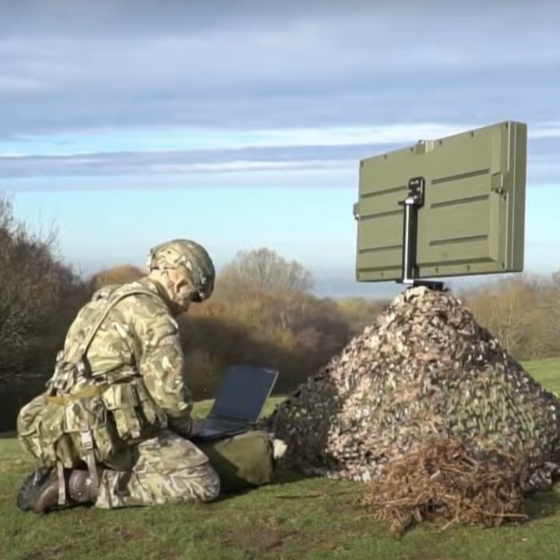
Ukraine is preparing to resume controlled exports of weapons and military equipment (WME) for the first time since the start of the full-scale war. The move follows the President’s Weapons initiative and a government survey showing 97% of private defense manufacturers want access to foreign contracts—prioritizing NATO markets.
The Policy Problem to Solve
-
Licensing architecture exists but is idle: The State Service for Export Control (SSEC) licenses exports after interagency review by the Commission on Military-Technical Cooperation and Export Control Policy (MCTC). With the MCTC’s composition not finalized, case reviews are paused, delaying lawful exports.
-
Objective: Restore the MCTC and operationalize a risk-based, transparent pipeline that distinguishes compliant firms and destinations from higher-risk cases.
Red Lines for Exports
-
No exports without full end-use and end-user assurance. Require verified end-use certificates, re-export prohibitions, and monitoring/serial tracking.
-
No diversion risk. Prioritize partners with robust compliance regimes (NATO/EU) and proven non-diversion records.
-
No capability erosion. Apply a surplus doctrine—exports only from inventory or production in excess of the Armed Forces’ operational needs and mobilization plans.
-
No opaque intermediaries. Ban exclusive “special exporter” monopolies that insert rent-seeking layers between manufacturer and buyer.
How to Control Exports (Practical Guardrails)
-
Re-activate interagency scrutiny: Reconvene the MCTC with defense, foreign affairs, intelligence, and anti-corruption participation; publish its mandate and timelines.
-
Tiered risk model: Destination- and product-based risk tiers with fast-track lanes for low-risk deals and enhanced due diligence for others.
-
Digital case management: A unified portal for applications, clock-stopped deadlines, audit trails, and applicant dashboards.
-
Post-shipment verification: Randomized inspections, tracer components, and contractual snap-back clauses for non-compliance.
-
Public transparency: Regular statistics (volumes by category, approval/denial ratios, destinations by tier) without sensitive details.
Lessons from Past Practice
-
Avoid the “single special exporter” model. Historic cases showed contract blockage, corruption risk, and reputational damage. Direct manufacturer-to-ally contracting under state licensing outperforms broker monopolies and aligns with partner expectations during wartime.
Level Playing Field for Industry
-
Clear criteria: Publish the checklist for permits, denial grounds, surplus calculation formulas, and documentation standards.
-
IP protection: Contract templates to protect Ukrainian IP and production data in joint projects.
-
Compliance incentives: Reduced processing times for firms with clean audit histories and certified compliance programs.
Strategic and Investor Implications
-
Retention of private DIB: Allowing exports is the single strongest deterrent to the offshoring of private defense firms and talent.
-
Allied integration: Direct, licensed sales to NATO/EU primes and MoDs embed Ukrainian suppliers in long-term programs (MRO, spares, sub-assemblies).
-
Capital access: Predictable export policy improves bankability for capacity expansion, testing infrastructure, and certification.
Implementation Roadmap
-
Immediate (0–60 days): Finalize MCTC composition; publish interim guidance, service-level targets, and the surplus doctrine.
-
Near term (1–2 quarters): Launch the digital licensing portal; pilot post-shipment verification; sign compliance MOUs with key allies.
-
Medium term (6–12 months): Codify tiered risk schedules in regulation; release anonymized quarterly metrics; expand industry training on export compliance.
Bottom Line
A controlled, rules-based export reopening—built on restored interagency oversight, transparent criteria, and competition without monopoly brokers—can safeguard national security, anchor Ukraine’s private defense base at home, and deepen industrial cooperation with allies. The red lines are clear: no diversion, no erosion of domestic capability, and no opaque intermediaries.