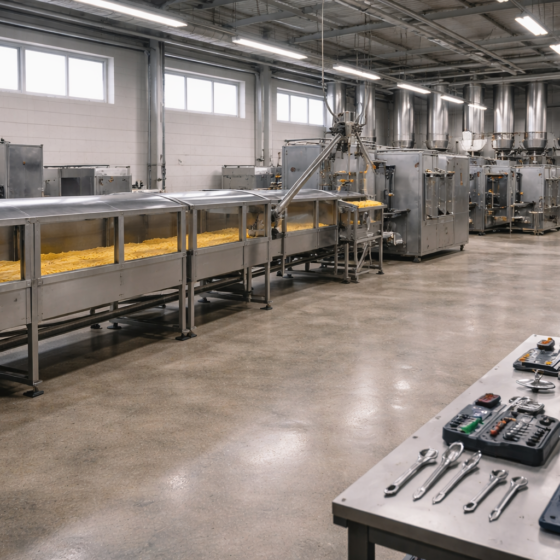
Ukraines walnut growers and processors are increasingly shifting toward automation, driven by a tight labor market and the need to maintain consistent product quality. In practice, the largest gains come from mechanized cracking, sorting, and cleaning, where manual work is slow, expensive, and harder to scale during peak periods.
For investors, the automation trend is a sign that the sector is maturing from small batch trading into a more industrial model focused on standardized grades, traceability, and predictable volumes. That is the kind of operating profile required for stable export relationships and higher value processing.
Where automation delivers the fastest payback
In nut processing, yield and quality are determined by how gently kernels are handled and how accurately defects are removed. Automated lines can reduce breakage, tighten grading, and cut contamination risk. When labor is scarce, these benefits are amplified because throughput no longer depends on seasonal hiring.
What changes for farm and processor strategy
- Quality standardization: consistent sorting improves price realization and reduces claims from buyers.
- Loss reduction: better cleaning and separation lowers waste and increases saleable output.
- Capacity planning: automation supports longer operating windows and smoother fulfillment of contracts.
- Compliance readiness: structured processes make it easier to align with food safety and export requirements.
Risks and constraints to watch
Upfront capex can be meaningful, and payback depends on stable raw material supply and access to markets. Another constraint is service and spare parts availability, which is critical when downtime hits during processing season. Financing terms also matter: equipment leasing can accelerate adoption if pricing is aligned with seasonal cash flows.
Investor angle: where value can be created
The most investable models are those that combine processing with procurement discipline and market access, not just equipment. Opportunities include regional processing hubs, contract processing for smaller farms, and export oriented packaging formats. Over time, more automated plants can shift the sector toward higher margin kernel products and away from commodity trading.