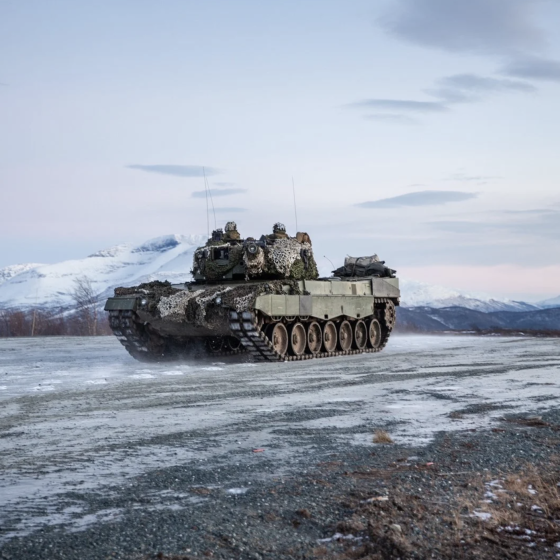
The latest U.S. Foreign Military Financing tranche for Ukraine—$322 million—targets two battlefield staples already familiar to Ukrainian crews: HAWK medium‑range air‑defense batteries and M2 Bradley infantry fighting vehicles.
HAWK: vintage missile, fresh mission
-
Allocation: $172 million for spare parts, maintenance and sustainment services.
-
Why it matters: Though designed in the 1950s, the radar‑guided HAWK excels at intercepting slow, low‑flying threats such as Shahed‑type drones and cruise missiles. Ukrainian operators claim one battery has already downed 40 drones and 14 missiles.
-
Upgrade focus: Overhauls, new launch rails and improved radar modules keep the system reliable while Ukraine awaits scarcer Patriot interceptors.
Bradley IFVs: battle taxi with bite
-
Allocation: $150 million for additional vehicles plus depot‑level repairs and upgrades.
-
Role on the front: The 25‑mm autocannon, coaxial machine‑gun and optional TOW anti‑tank missiles give infantry mobile firepower and protection against small‑arms and shrapnel.
-
Combat record: More than 150 Bradleys delivered since early 2023; despite losses, Ukrainian commanders credit them with spearheading assaults and casualty‑free evacuations.
Strategic takeaways
-
No escalation claim: The Pentagon stresses the deal “will not alter the basic military balance,” framing it as sustainment rather than stand‑alone escalation.
-
Industrial backfill: The package funnels money into U.S. supply chains, ensuring rapid refurbishment cycles and future production runs.
-
Air‑defense layering: Bolstered HAWK sites free up Patriots for high‑priority regions, creating a denser, tiered shield over cities and critical infrastructure.
As diplomatic avenues remain frozen, Washington’s newest mix of legacy platforms and logistics funding underscores a long‑range commitment: keep Ukraine’s existing arsenal firing while heavier systems and joint‑production initiatives ramp up.