This high-priority meeting will take place under the chairmanship of Kaia Kallas, with participation from Ukrainian Foreign Minister Andriy Sybiga.
Key Discussion Points
According to the European Council's press service, the meeting will begin at 10:00 AM Brussels time and feature an informal exchange with Andriy Sybiga via video conference. The following topics are expected to dominate the agenda:
-
Continued Russian Aggression:
- Assessment of the situation on the ground, including recent developments in Ukraine.
- Examination of ongoing military and humanitarian challenges caused by Russian actions.
-
Ukraine-EU Relations:
- Strengthening Ukraine’s path toward EU integration.
- Discussions on additional economic and military support.
-
Humanitarian Assistance:
- Updates on the EU's contributions to the "Food from Ukraine" initiative aimed at addressing food insecurity in war-affected areas.
- Exploring options for expanding humanitarian efforts in Ukraine and other affected regions, including Syria.
Background and Recent Developments
This meeting comes at a critical juncture as Ukraine continues to face significant challenges:
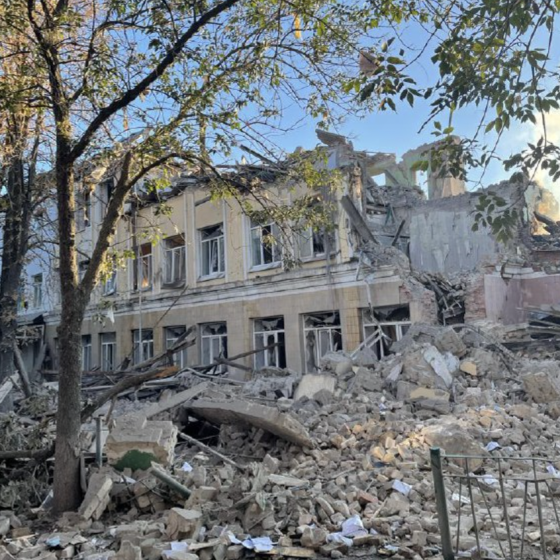
- Escalation of Russian attacks: Recent strikes have targeted Ukraine’s energy infrastructure, increasing the urgency for enhanced EU assistance.
- EU Solidarity: The European Union has remained a steadfast supporter of Ukraine, providing over €50 billion in aid since the war began in 2022.
- Global Food Crisis: The "Food from Ukraine" initiative, backed by the EU, aims to combat food shortages exacerbated by the conflict, particularly in the Middle East and Africa.
Outcomes to Watch For
- New Sanctions on Russia: Potential discussion of additional measures to pressure Moscow economically and politically.
- Military Support: Possible announcements of increased military aid to Ukraine, including weapons, training, and defense systems.
- Humanitarian Commitments: Expansion of EU programs addressing food security and rebuilding efforts in Ukraine.
Conclusion
The meeting underscores the EU's commitment to supporting Ukraine in its fight against aggression while fostering deeper ties between Kyiv and Brussels. Updates from the meeting are expected to shape the next phase of EU-Ukraine cooperation and set the tone for broader international support.
You said:
ChatGPT said:
Recognition of Ukrainian Children's Educational Results Abroad: Rada Committee Recommends Adopting Law
The Verkhovna Rada Committee on Education and Science has recommended the adoption of a bill to recognize the educational achievements of Ukrainian children studying abroad. This measure is intended to provide legal grounds for crediting the education of between 700,000 and 1 million school-age children who were displaced due to the war.
Key Provisions of the Bill
The proposed legislation, Bill No. 12375, amends Article 6 of the Law on Complete General Secondary Education. The amendment states:
"Citizens of Ukraine have the right to recognition of the results of their studies obtained through formal and/or informal education in educational entities located abroad (except in states recognized by the Verkhovna Rada as aggressor or occupying states), in accordance with the procedure approved by the Cabinet of Ministers."
This law would authorize the Cabinet of Ministers to create regulations to standardize the recognition of educational outcomes for Ukrainian children abroad.
Challenges Addressed by the Bill
According to Serhiy Babak, the author of the bill:
-
Education Centers Abroad: Since February 24, 2022, numerous educational centers have been established for Ukrainian children in foreign countries. These include:
- Formal Schools: Officially registered schools recognized by the host country's national legislation.
- Informal Centers: Weekend schools and small community groups that provide informal education.
-
Preserving Educational Continuity: The bill aims to ensure that children displaced abroad remain connected to the Ukrainian education system, enabling their smooth reintegration upon returning to Ukraine.
Supporting Initiatives
In addition to this legislative effort, Deputy Prime Minister Mykhailo Fedorov has highlighted ambitious plans for the development of Ukraine's Mriya educational ecosystem. The system will include features such as personalized learning recommendations for students, further supporting displaced children's educational needs.
Next Steps
The committee has recommended that the bill be adopted in its first reading and as a whole. Once passed, the law will provide a framework for:
- Recognizing educational achievements from abroad.
- Supporting displaced children in maintaining a connection to the Ukrainian education system.
- Ensuring the long-term reintegration of these children into Ukrainian society post-war.
This initiative underscores Ukraine's commitment to safeguarding the education and future prospects of its displaced children during a time of immense challenges.