Ostrich farming in Ukraine looks attractive at first glance: competition is limited, products are unusual, and a well-managed farm can combine breeding, eggs, tourism and niche food sales. But the business is far more complex than a simple exotic-farm story.
The strongest farms rely on diversification. Breeding young birds, selling eggs and farm products, hosting visitors, adding accommodation or leisure services, and using grants can create several revenue streams. This reduces dependence on one seasonal or unstable market segment.
Why the model is fragile
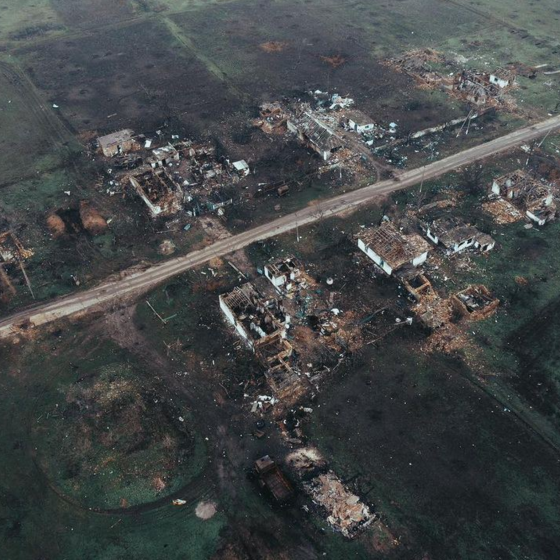
Ostriches are valuable but sensitive animals. Incubation is energy-intensive, young birds require careful care, and stress can cause losses. Wartime conditions add further risks: shelling, blackouts, disrupted tourism, damaged buildings and higher operating costs. A farm in a safer region can develop as a profitable rural business, while a farm near the front can quickly become a survival project.
Energy independence is becoming part of the business model. Solar panels, generators and backup systems help farms protect incubators, lighting, accommodation services and basic operations during outages. Grants and veteran-business programs can also support equipment purchases or tourism expansion.
For investors, ostrich farming is a niche agribusiness rather than a mass livestock segment. It can work when owners have land, patient capital, marketing ability and several income channels. Without that structure, low competition alone is not enough. The lesson is broader: unusual rural businesses in Ukraine can grow, but only when risk management is built into the model from the start.