Even during the war, Ukraine’s real estate market is not frozen — it is being re-priced. Capital is moving out of secondary assets and into locations and formats that can benefit from reconstruction, changing logistics routes and the gradual integration with the EU. For international investors, the question is less «is there demand?» and more «how do we enter the market with a structure that manages risk and keeps future exit options open».
Our real estate in Ukraine service is focused on that practical layer: asset selection, legal and tax structuring, and alignment with long-term reconstruction trends rather than short-term speculation.
Where the current opportunities are
The war has segmented the market. Some regions remain high risk, but others — especially Kyiv and the western regions — are already seeing renewed demand for quality space. Investors are primarily looking at:
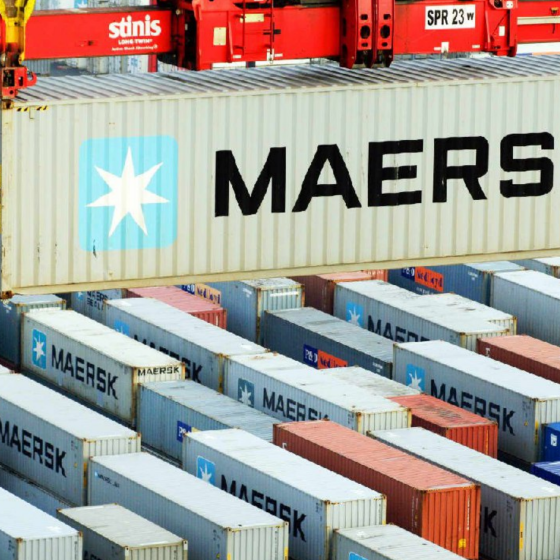
- modern logistics and light industrial facilities that support new supply chains and nearshoring to the EU;
- office and flex space for IT and business services, where occupancy is driven by export-oriented companies;
- select residential and mixed-use projects in locations with strong demographics and infrastructure;
- distressed or unfinished assets that can be repurposed once planning and legal risks are cleaned up.
Yields are still above many Central and Eastern European markets, but the spread reflects risk and the need for active asset management. Passive «coupon clipping» strategies rarely work in an environment that is being rebuilt.
How deals are typically structured
Most cross-border investors no longer buy assets directly in their own name. Instead, they work through project companies and holding structures that separate construction risk, operating risk and financing. In practice this means:
- using a Ukrainian SPV to own the asset and enter into local contracts;
- combining equity from the investor with local or IFI-backed debt where available;
- putting in place professional property and facility management from day one;
- carefully drafting lease agreements to account for indexation, currency, and force majeure.
For some strategies — especially portfolios of smaller assets — investors also look at joint ventures with Ukrainian partners that bring pipeline and permitting know-how, while the foreign side focuses on capital, governance and reporting standards.
Key questions before investing
Real estate in Ukraine is ultimately a local business embedded into a global macro story. Before committing capital, investors usually want clarity on:
- which regions and cities match their risk appetite and time horizon;
- whether they are targeting income-generating assets, value-add projects or development from scratch;
- how zoning, construction permits and land rights are documented and verified;
- how cash flows, dividends and potential exits will work between Ukraine and foreign jurisdictions.
Well-designed structures can answer these questions upfront, making it easier to secure financing and, later, to exit to regional funds or strategic buyers once the market normalises.
How we work with investors and developers
Through our real estate in Ukraine service we start from your strategy — yield, development, opportunistic — and then map it to specific segments and regions. We assess which assets and partners are compatible with institutional standards and which are better avoided, even if headline yields look attractive.
For investors this reduces execution risk: you get a clear view of how to enter or expand in Ukrainian real estate with structures that banks, co-investors and future buyers can accept. For Ukrainian developers it means access to capital that is aligned with reconstruction and long-term demand, rather than one-off speculative plays.