Ukraine’s path to the European Union is not only about politics and security. A new study presented at the Ministry of Economy shows that Kyiv already has at least \$10bn of unused export potential in trade with the EU. For European investors this means a rare opportunity to lock in new supply chains in critical materials, defence production and higher value processing before Ukraine becomes a full member.
What the \$10bn export potential actually means
The research “Assessment of the impact of European integration on macroeconomic indicators”, prepared by the State Research Institute for Informatization and Economic Modelling, estimates that Ukraine can increase exports to the EU by around \$10bn in the medium term. This is not about selling more raw commodities, but about:
- Diversifying exports away from low-margin bulk goods toward processed food, machinery, components and services;
- Deepening participation in EU value chains through industrial cooperation, contract manufacturing and localisation of European brands in Ukraine;
- Using nearshoring and friendshoring as EU companies seek safer alternatives to high-risk jurisdictions.
Ukraine as a pillar of EU strategic autonomy
The study stresses that Ukraine can significantly strengthen the EU’s “open strategic autonomy”. This concerns three priority blocks:
- Critical raw materials – extraction and partial processing of ores, battery metals and other inputs where Europe depends on a narrow group of suppliers;
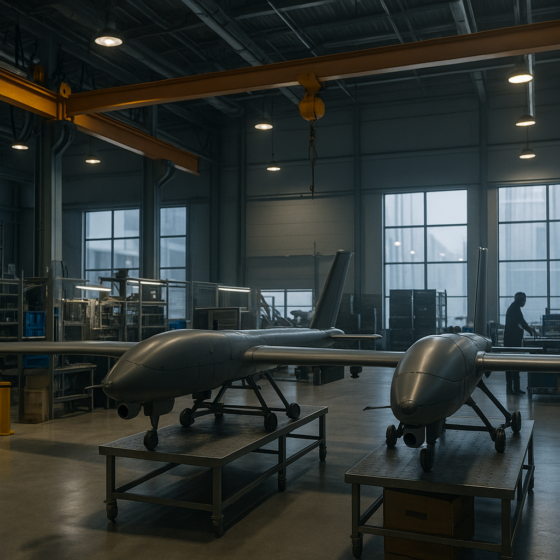
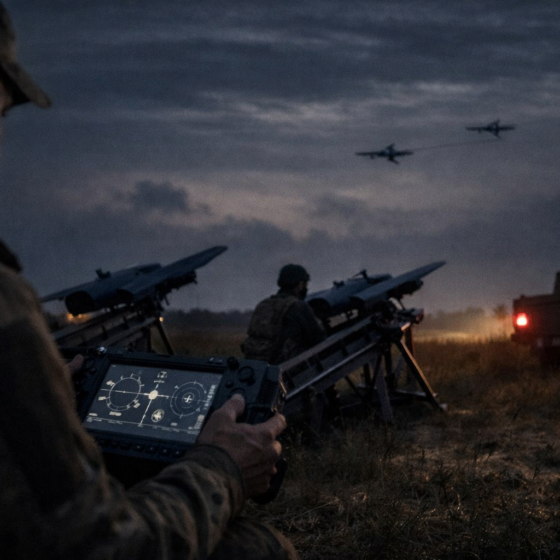
- Defence industry – scaling up joint projects in ammunition, drones, repair hubs and spare parts production, using Ukraine’s battlefield experience and engineering base;
- Industrial nearshoring – moving production to a neighbouring democratic country with lower costs and access to the EU market.
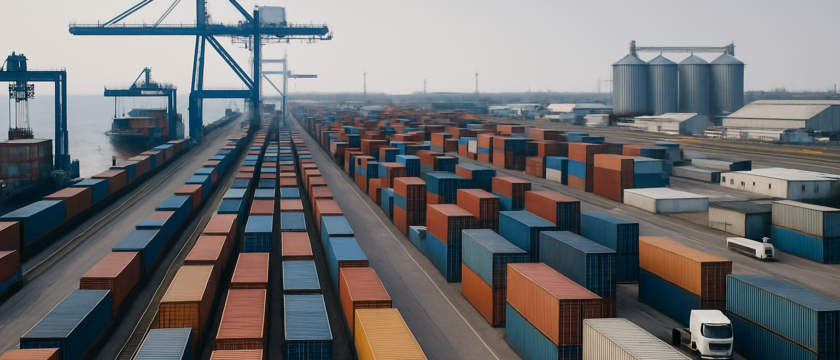
For investors this translates into demand for modern logistics, industrial parks, energy infrastructure and professional services that can support export-oriented production.
Three key barriers on the road to the EU market
Despite the potential, exporters still face several structural barriers that limit trade volumes with the EU:
- CBAM and carbon pricing. The introduction of the EU Carbon Border Adjustment Mechanism will require Ukraine to launch its own emissions trading scheme and invest in energy-efficient modernisation.
- Return of tariff quotas on agri-products. For a number of agricultural goods the EU is re-introducing quotas, which pushes Ukrainian producers to move into processing instead of simply exporting raw grain or oilseeds.
- Delay with the ACAA agreement. The Agreement on Conformity Assessment and Acceptance of Industrial Products (ACAA) would remove many non-tariff barriers, but negotiations are still ongoing.
Why early investment matters for both sides
According to government estimates, Ukraine’s accession could cost the EU budget around €90bn of additional support over the first five years of membership. However, early investment into reforms, infrastructure and industrial upgrading in Ukraine can reduce these costs by making the economy more competitive before accession.
For investors this is a window of opportunity: projects launched now will stand at the core of future EU–Ukraine value chains in energy, agriculture, logistics and manufacturing. The combination of large human capital, free-trade access to the EU and demand for diversification of supply chains turns Ukraine into one of the most promising export platforms in Eastern Europe.
For the EU, deeper economic integration with Ukraine is not charity but a pragmatic investment into its own security, resilience and strategic autonomy in a world that is rapidly fragmenting into competing blocs.