Grant funding is one of the few tools that can help Ukrainian small businesses recover, expand production or launch a new line during wartime. But applications often fail for reasons that have little to do with the quality of the business idea itself.
The most common mistake is to treat a grant as a lottery. Entrepreneurs submit late, write a vague concept and do not explain how the money will turn into measurable results. Donors expect logic: what problem exists, why this business can solve it, what equipment or service is needed, and how the result will be checked.
Documents matter as much as the idea
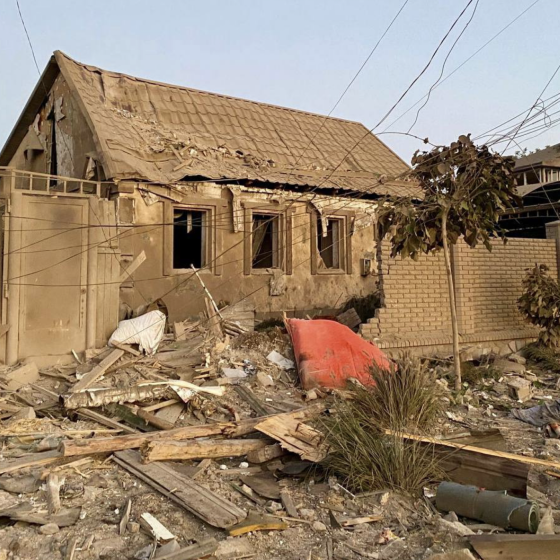
Legal mismatches are another frequent blocker. A production grant can be rejected if the company’s activity codes show only trade. Damage recovery applications can fail when documents about destroyed property contain inconsistent names, wrong codes or missing official confirmations.
Financial discipline is equally important. Mixing personal and business money, an unclear budget or the absence of co-financing makes even a strong proposal look risky. Some support programs require the entrepreneur to have their own contribution ready before receiving grant funds.
Applicants also lose points when they ignore the donor’s mission. A program may support internally displaced people, women entrepreneurs, veterans, equipment purchases or export growth. If the project does not match the announced focus, good storytelling will not save it.
The practical lesson is simple: a grant application is a business plan under stress. It needs a clear goal, realistic numbers, correct legal status, strong evidence and honest answers during the interview. For Ukrainian entrepreneurs, careful preparation often matters more than speed.