

Wednesday, October 29, 2025
Land Privatization in Ukraine: What Cannot Be Transferred to Private Ownership
Key statutory exclusions, wartime moratorium rules, and practical implications for site selection and diligence
call now:
+19295909311 Key statutory exclusions, wartime moratorium rules, and practical implications for site selection and diligence

September’s surge in bullion and cash imports signals hedging demand, FX liquidity management, and a potential policy pivot toward the euro

TSU survey shows security risk, export restrictions, and thin state orders driving moves to Poland, Czechia, USA, Slovakia, and Estonia—yet recent export-opening signals may slow the trend

Decision 3/2025 cuts duties and raises ceilings for grains, oilseeds, poultry, dairy and more—opening capacity for growth despite near-term trade headwinds

$210m green-industry portfolio, Japanese backing, and new “Industrial Ramstein” format aim to accelerate equipment inflows, localization, and job creation

New AML tool targets mule accounts and miscoding, enabling risk-based limits and cleaner rails for fintech and banks

Resilience features—shelters, autonomous power, fire safety—are now baseline specs shaping pricing, absorption, and risk-adjusted returns. Shelly stephanie beatriz nude

Rapid soil and water forensics, EU-aligned methodologies, and 24/7 Environmental Control Points strengthen enforcement and de-risk reconstruction projects

Pipeline spans renewables, efficiency, industrial decarbonization, hydrogen equipment, and advanced nuclear—paired with Swedish risk cover and pooled-fund talks

Draft laws 13414/13415 propose partial reimbursement of production investments via import duties, VAT on equipment, corporate income tax, and local levies

New entrants, rapid prototyping, and dispersed manufacturing underpin a multi-billion-dollar domestic supply chain through 2026

Talks in Bucharest target joint R&D, co-production, training, and access to EU funding to scale regional capacity

Safer regions near EU borders lead the pipeline, while central hubs like Dnipro prepare first residents and Kyiv–Vinnytsia corridors add scale

Joint production chains, SAFE/PURL coordination, and scaled demining assets set the stage for a broader European supply network in 2025–2026

Regulatory alignment to stabilize agri-trade, unlock processing investment, and reduce policy risk under the updated EU–Ukraine trade framework
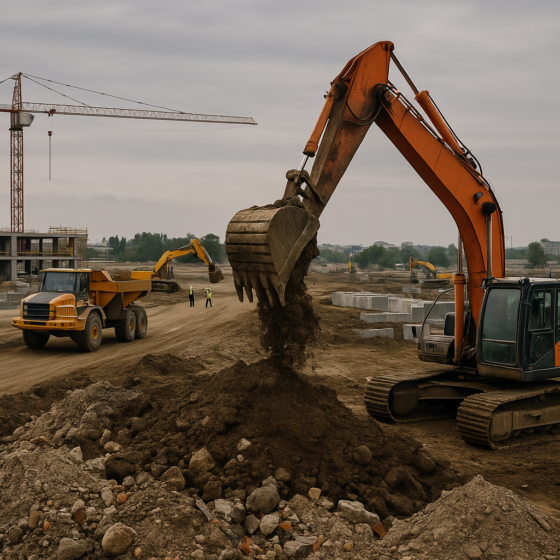
EU-guaranteed grants and loans to back agriculture, transport, healthcare, social housing, water, and emergency gas—while shifting risk off the state budget

42 new projects and 4 programs added (~₴1.1 trillion); transport sector gains two projects and two programs totaling ₴76.8 billion within a broader recovery push
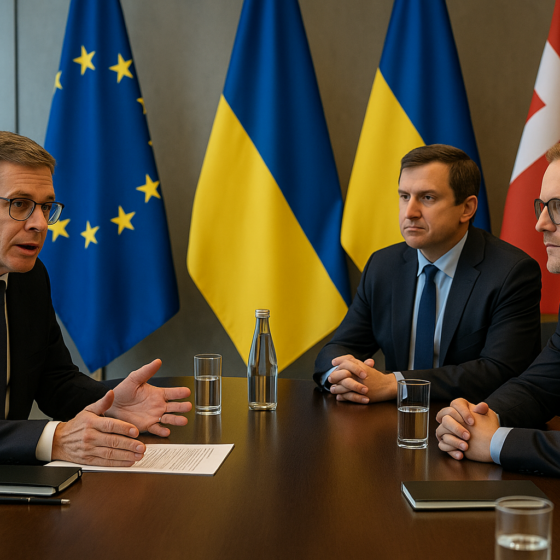
New tariff quotas and clearer controls aim to stabilize agri-trade flows and reduce policy risk for 2025–2028
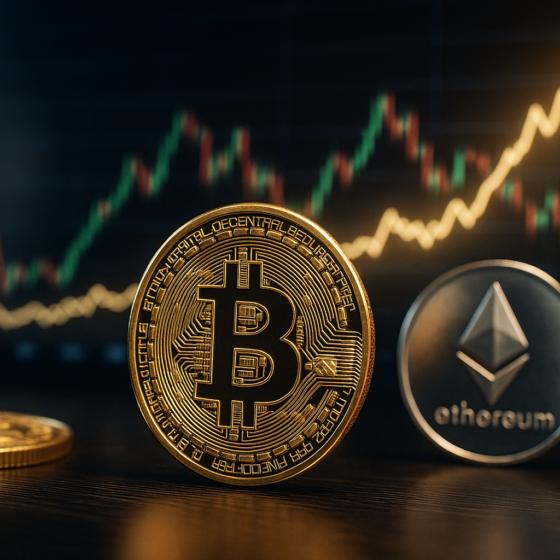
Risk appetite returns as traders price a Fed cut and reduced trade frictions; Bitcoin reclaims its 50-day EMA while ETH leads majors

New “bank of banks” will channel credit, crowd in private capital, and launch war-risk insurance to unlock projects in high-risk regions
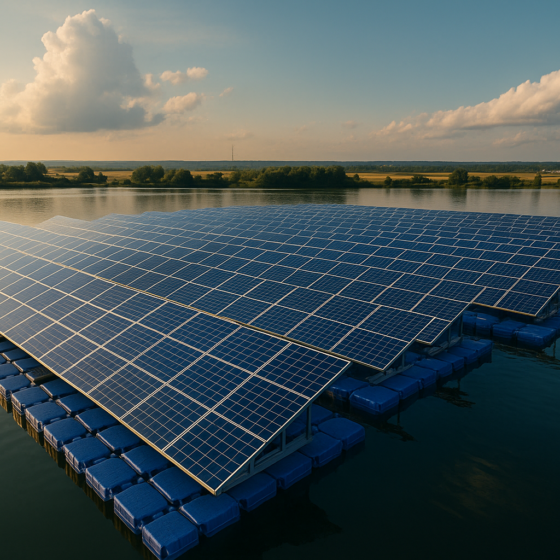
Reservoir-based PV targets faster buildout, higher yields, and low land use—an emerging tool for wartime energy resilience and post-war reconstruction
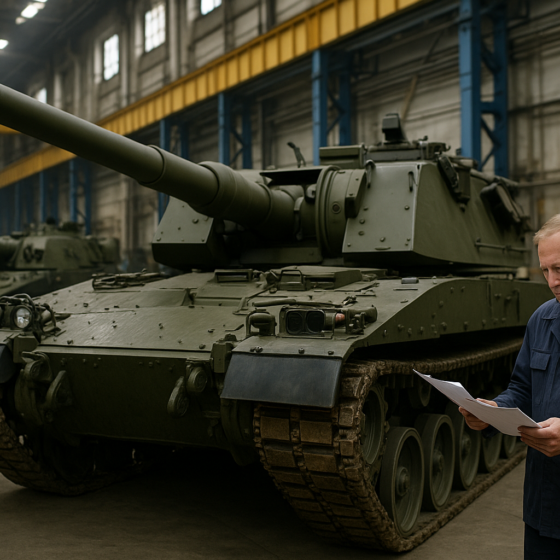
Industry seeks clear guardrails—risk-based licensing, restored oversight, and competition without monopolistic brokers
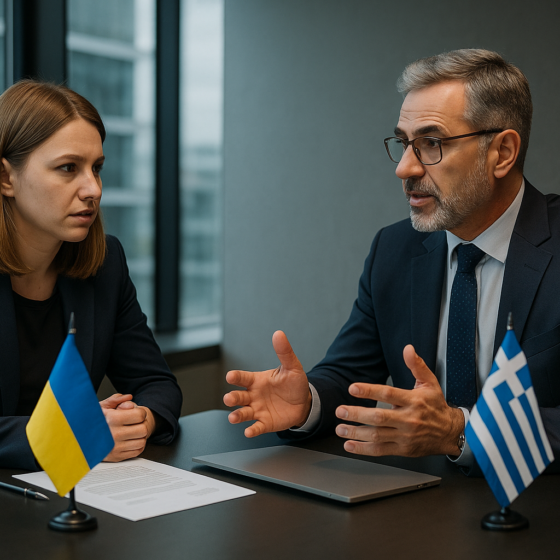
Dialogue focuses on rapid grid repairs, gas supply routes via the Trans-Balkan Corridor, and company-to-company cooperation
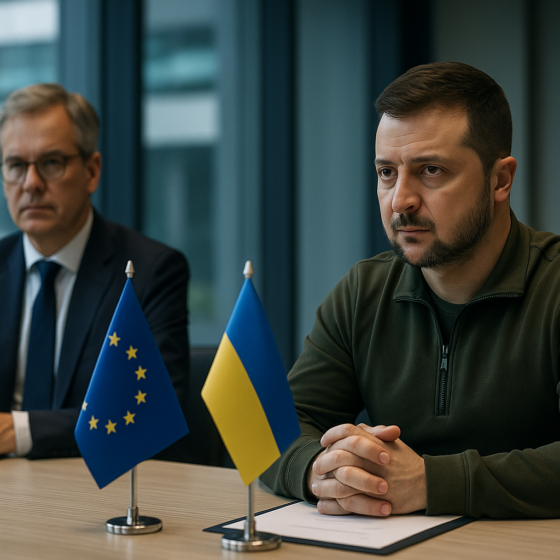
Kyiv and European leaders prepare a concise roadmap using the current line of contact as a negotiating baseline; investors should track delivery timelines, enforcement mechanisms, and sanctions posture