
Wednesday, May 6, 2026
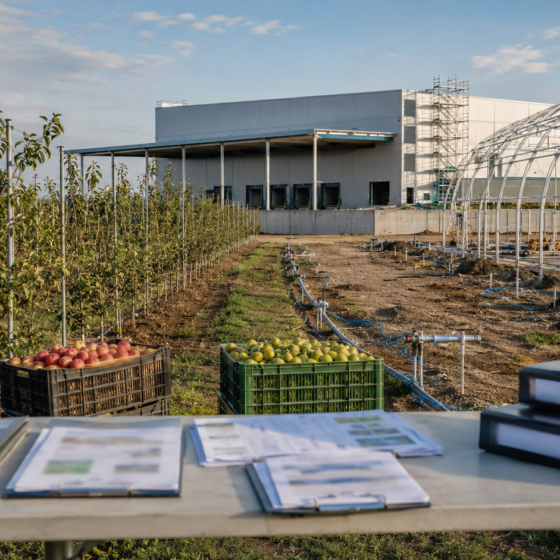
Ukraine updates grant rules for orchards, greenhouses and storage facilities
The revised program adds stricter verification, clearer storage requirements and EU-linked transparency rules
call now:
+19295909311 The revised program adds stricter verification, clearer storage requirements and EU-linked transparency rules

New approaches to wages, material prices and documentation will affect contractors, accountants and public project owners

Updated requirements for aisles, alarm systems, electrical safety and access routes force market operators to review daily infrastructure

Digital auctions turned community-owned assets into a transparent market tool for SMEs, with long-term contracts and predictable rules

Policy work targets deeper domestic processing, fair raw material access, and tighter alignment with EU forestry and traceability standards

The legal design requires companies to choose one special regime to access associated tax incentives

A wartime experimental model introduces alternative jurisdiction for selected permit and registration procedures

The new law aligns checks for stores and online marketplaces and supports deeper integration with EU conformity standards

The new framework keeps enforcement tools but gives stronger weight to consultation, correction, and transparent procedures

The next stage of the international damages mechanism is meant to review claims from citizens, business, communities, and the state

New estimates point to extreme illegal sales in disposable devices and refill products, with rising tax losses for the budget

IPRSA III is designed to align farm policy, digital services, and institutional capacity with European rules

Draft laws 14038 and 14039 aim to move land allocation toward auctions, public rules, and clearer limits

The draft law introduces renewable energy targets, energy communities, special zones, storage, and simpler investor procedures

A separate factoring law should make receivables financing clearer for companies and financial institutions

Digital tools can reduce paperwork and trace seed movement, but regulation and IP protection remain the hard part

Companies get less paperwork, but the responsibility for hazardous waste and expense evidence remains

The May changes support financial access, defense contractors, foreign specialists, and cross-border payments

The initiative can open access to support, but it will also raise accounting and compliance demands

The change reduces duplicate inspections for companies working with ECMT transport permits

Developers of CC1 and CC2 projects may get more choice between local control bodies and DIAM

Businesses get fewer manual steps, but payment routing and annual account choices still require discipline

Updated statistics set a clearer baseline for pricing, storage, and export planning

Producers say growth is constrained by infrastructure expenses and limited support tools
