

Thursday, April 30, 2026
Installment financing could make franchise creation accessible to more Ukrainian businesses
A new partnership brings phased payment to franchise development and links scaling plans with embedded finance tools
call now:
+19295909311 A new partnership brings phased payment to franchise development and links scaling plans with embedded finance tools
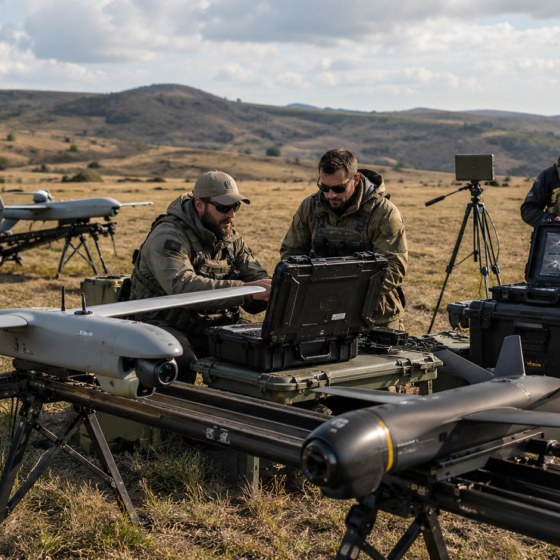
Developers are testing a combined reconnaissance and strike system designed to detect targets, classify them, and assign action with less operator delay
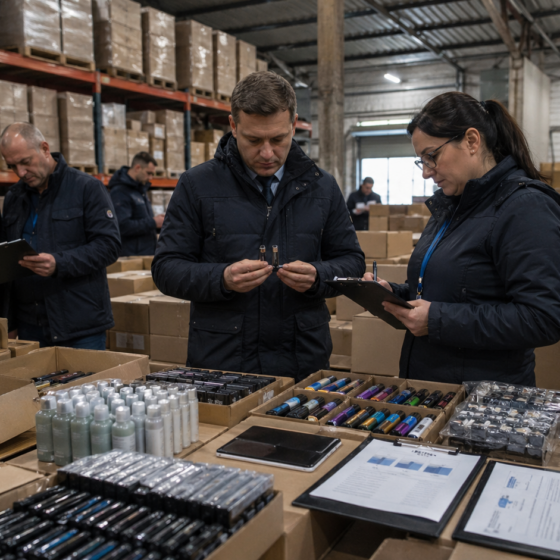
New estimates point to extreme illegal sales in disposable devices and refill products, with rising tax losses for the budget
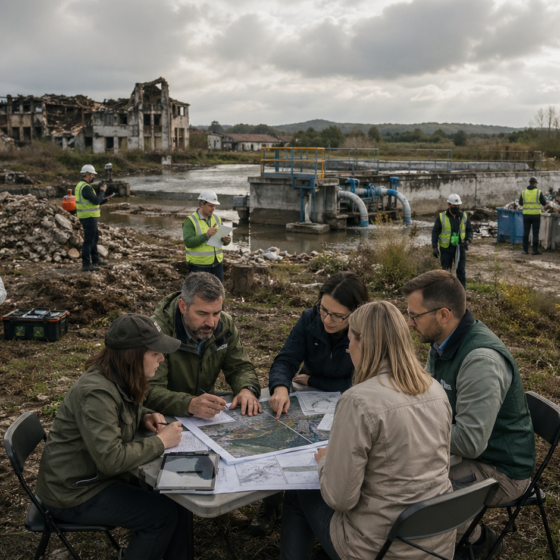
Safe territories, debris control, clean water, pollution mapping, and modern standards should shape post war rebuilding

Medium and large companies can access financing for local generation, storage, and energy resilience at a subsidized rate

Brussels is considering gradual market and institutional access while full accession remains a longer process

New categories let companies and public institutions document destroyed assets, infrastructure losses, and recovery costs

IPRSA III is designed to align farm policy, digital services, and institutional capacity with European rules

The effort combines repair, storage upgrades, digital control, and stronger protection of critical energy assets

Draft laws 14038 and 14039 aim to move land allocation toward auctions, public rules, and clearer limits

Portable high value trainers can shorten the path from classroom preparation to real combat missions
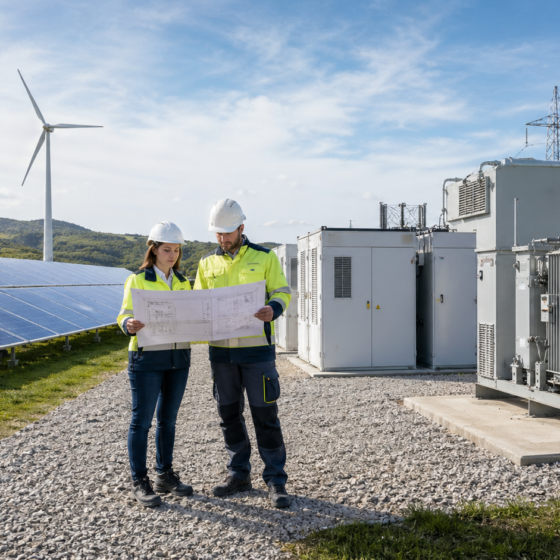
The draft law introduces renewable energy targets, energy communities, special zones, storage, and simpler investor procedures

The partnership can support wine tourism, small producers, and regional identity on both sides of the border

In a volatile market, debt instruments can support liquidity, diversification, and predictable investor returns

The wartime industry has expanded from a narrow base to more than 1,500 companies focused on drones, robots, radar, and communications

A separate factoring law should make receivables financing clearer for companies and financial institutions
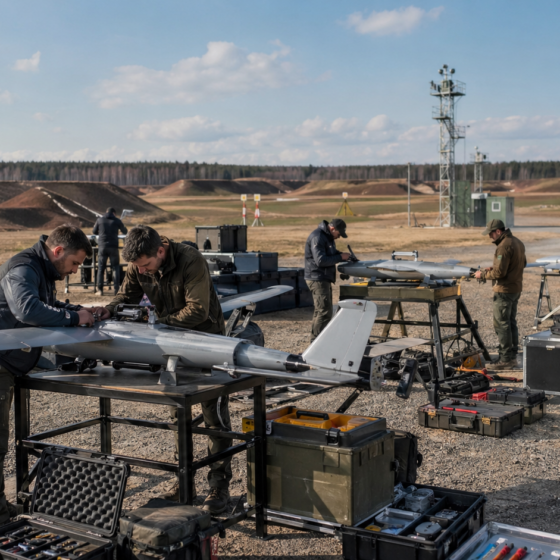
The partnership is shifting from emergency support toward joint defense industry development

The telecom investment focused on network coverage, digital services, acquisitions, and energy resilience

Most producers still depend on weather, while only modernized farms can move toward year-round supply

Digital tools can reduce paperwork and trace seed movement, but regulation and IP protection remain the hard part

Companies get less paperwork, but the responsibility for hazardous waste and expense evidence remains

The May changes support financial access, defense contractors, foreign specialists, and cross-border payments

The model aims to monetize surplus capacity while keeping army priority and technology security intact

The wartime market now contains cautious planners, rational optimizers, and buyers who refuse to postpone life
