Ukraine and Morocco are expanding economic cooperation after bilateral trade recovered to about 250 million dollars in 2025. The two countries are moving beyond the exchange of agricultural and industrial goods toward closer links between businesses, chambers of commerce and port administrations.
Morocco is now Ukraine’s fifth-largest trading partner in Africa. Before the full-scale invasion, bilateral turnover reached about 630 million dollars in 2021. The subsequent disruption of Ukrainian production and maritime logistics sharply reduced trade, but the latest recovery shows that companies on both sides are rebuilding established routes and exploring new projects.
What Ukraine and Morocco trade
Ukraine supplies Morocco with grain, sunflower oil, oilseed meal, metal products and other goods. These exports reflect Ukraine’s strengths in agriculture, food processing and basic industry, while Morocco provides an important gateway to North African markets.
Imports from Morocco include fertilizers, vegetables, seafood, vehicles and clothing. This structure creates complementary commercial interests: Ukrainian farms require inputs and diversified logistics, while Moroccan buyers need stable access to food commodities and industrial products.
The next stage can include more processed foods, agricultural technology, machinery, storage solutions and industrial cooperation. For investors, the most promising projects are those that combine Ukrainian production capacity with Moroccan access to regional markets and ports.
Ports become a separate area of cooperation
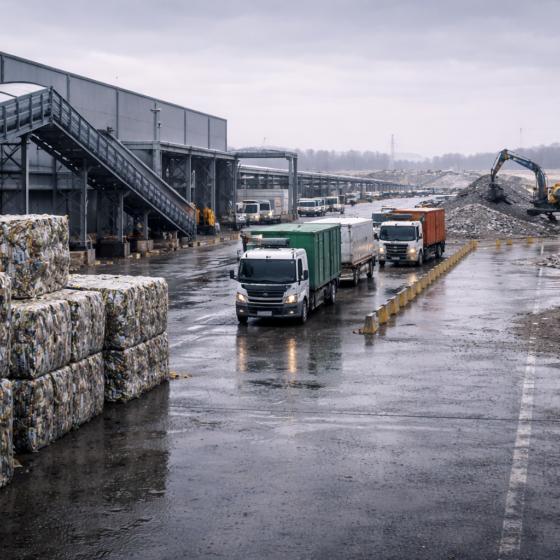
The Ukrainian Sea Ports Authority and Morocco’s National Ports Agency signed a memorandum on cooperation. It can support direct professional contacts, exchange of operating experience and the development of more resilient maritime routes between the Black Sea and North Africa.
Port cooperation matters because Russia has damaged or destroyed 726 Ukrainian port infrastructure facilities and at least 156 civilian vessels since the full-scale invasion began. Despite these losses, Ukraine kept maritime exports moving through its own sea corridor.
Almost 190 million tonnes of cargo have passed through that corridor since its launch, including around 110 million tonnes of grain. Products have reached 55 countries, helping preserve Ukraine’s export economy and stabilize international food markets.
A business council should connect companies directly
The Ukrainian Chamber of Commerce and Industry and the Moroccan federation of chambers signed a memorandum providing for a Ukrainian-Moroccan Business Council. The council can become a practical platform for matching companies, resolving market-entry questions and preparing joint projects.
For small and medium-sized enterprises, such an institution can reduce the cost of finding reliable partners. It may also help businesses understand certification, customs procedures, financing, transport conditions and local demand before committing capital.
The value of the council will depend on its ability to produce concrete contacts rather than ceremonial meetings. Sector working groups in agriculture, food processing, logistics, fertilizers, machinery and renewable energy could turn diplomatic momentum into commercial contracts.
Food security remains a strategic link
Ukraine continues to present itself as a reliable contributor to global food security. The Food from Ukraine initiative delivers Ukrainian food to countries in Africa, the Middle East and Asia, including vulnerable communities affected by conflict and supply disruptions.
Morocco can play a dual role in this system: as a major buyer and as a logistics partner with developed Atlantic and Mediterranean infrastructure. More predictable shipping, storage and financing arrangements would make Ukrainian supplies to North Africa more resilient.
What this means for investors
The emerging framework opens opportunities in export terminals, grain storage, food processing, fertilizer distribution, transport services and joint manufacturing. It also creates demand for insurance, trade finance, quality control and digital systems that track cargo across several jurisdictions.
The central investment argument is diversification. Ukraine receives additional routes, customers and sources of agricultural inputs, while Morocco gains access to Ukrainian products and industrial expertise. Companies that establish partnerships early can secure positions before bilateral trade returns to its prewar scale.
The signed memoranda do not guarantee immediate growth by themselves. Their practical effect will depend on regular business missions, bankable projects, efficient customs procedures and reliable maritime connections. Yet the direction is clear: Ukraine and Morocco are building a broader economic relationship in which trade is supported by institutions, ports and direct cooperation between companies.