
Friday, May 15, 2026
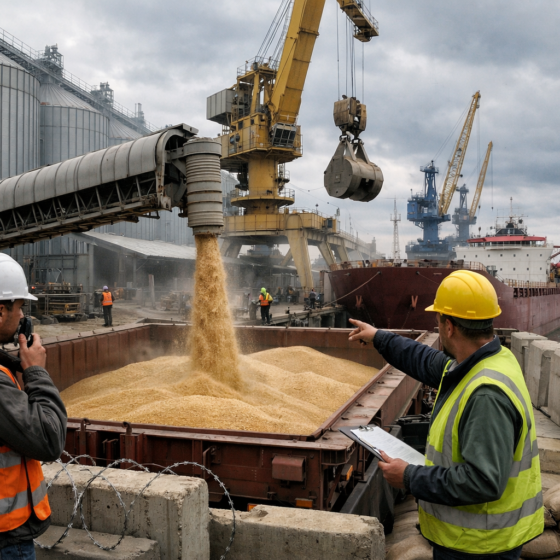
Ukrainian sea ports increase cargo handling despite security pressure
April volumes rose by almost thirty six percent as grain remained the main driver of freight flows
call now:
+19295909311 April volumes rose by almost thirty six percent as grain remained the main driver of freight flows
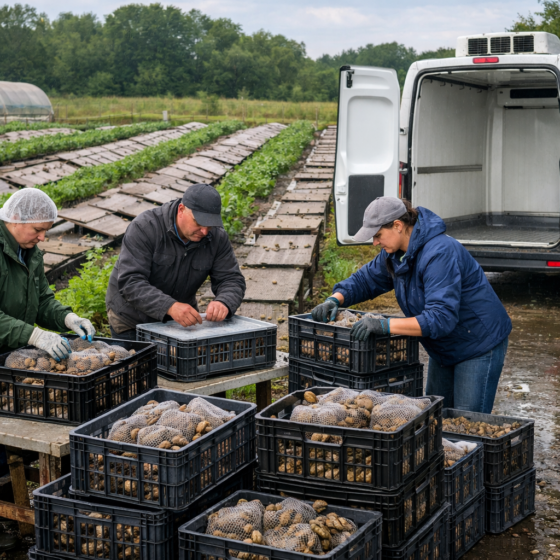
New certificates give a niche agribusiness shorter logistics and another official sales channel
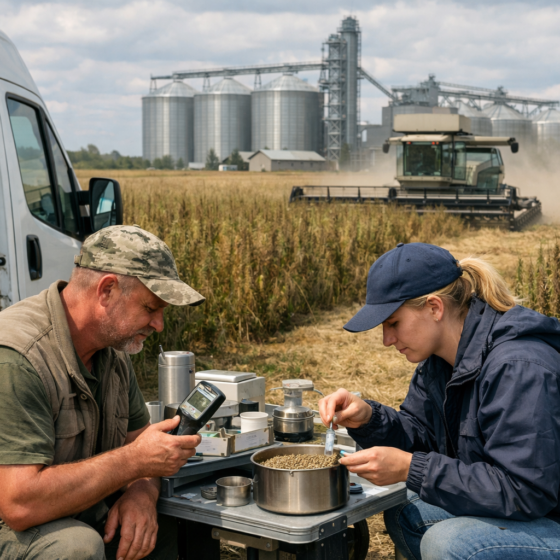
TAS Agro continues trials after the first harvest stage showed the crop requires careful drying and storage control
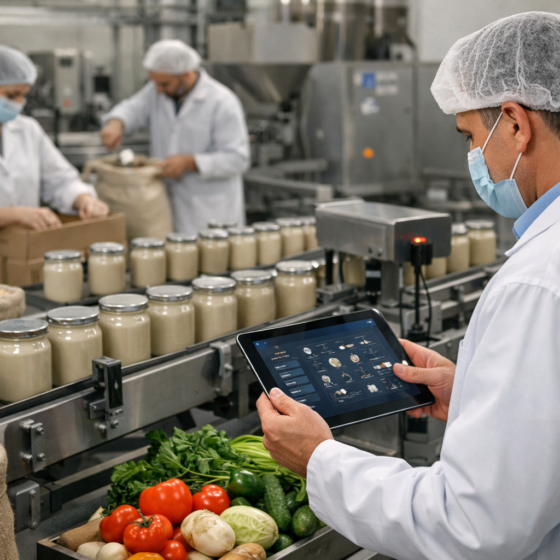
New legislation would tighten control over eco, bio and organic claims across agribusiness and retail
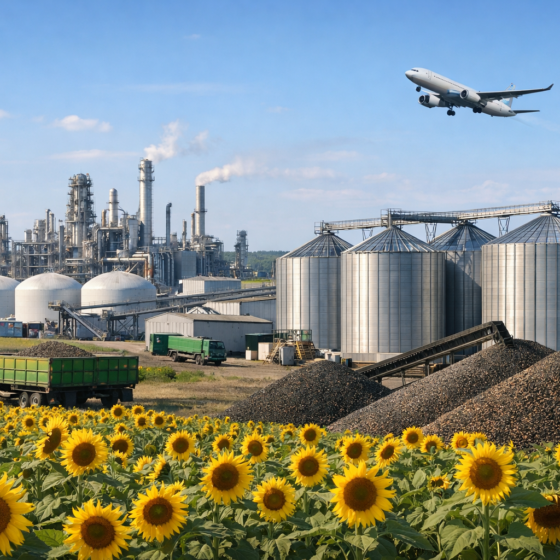
Sustainable aviation fuel could connect oilseed farming with aviation resilience as supply risks grow
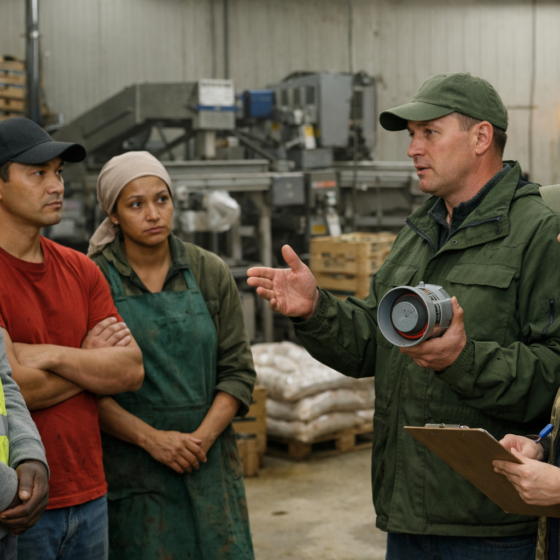
The first pilots show that labor migration can help only with careful adaptation, security briefing and long preparation

Brazil risks losing access to the bloc unless it proves compliance with antimicrobial resistance standards
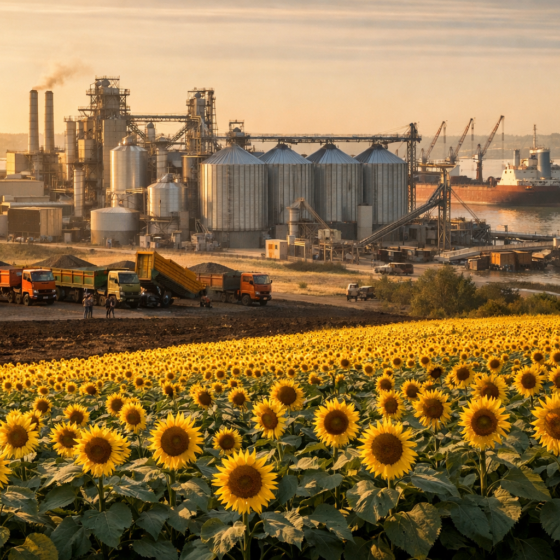
Fertile black soil, climate advantages and large sunflower acreage keep the country at the center of the global market
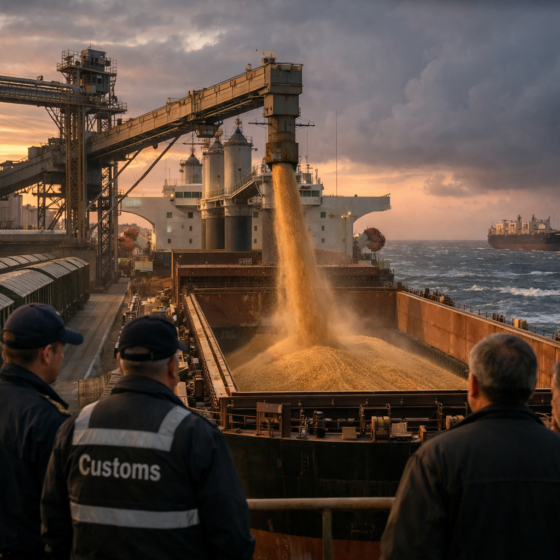
High demand for food is not enough when exporters face payment uncertainty, weak legal protection and logistics risk
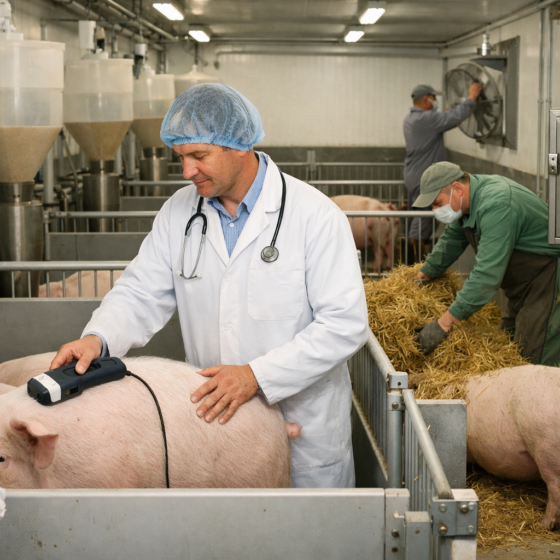
New veterinary rules move farms toward EU standards, prescription control and better animal-health practices
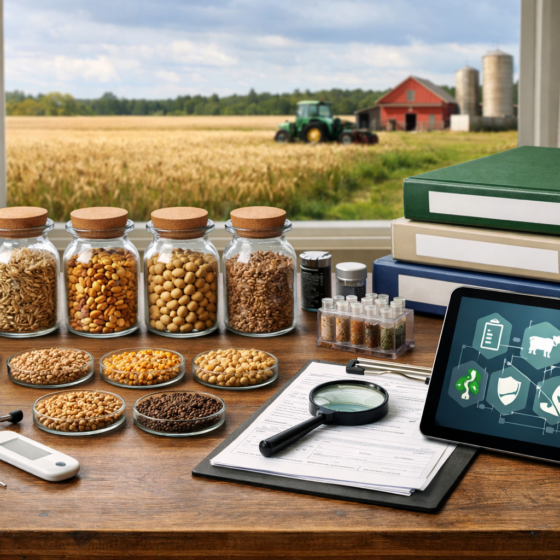
Food safety, veterinary policy, phytosanitary controls and digital support systems are moving into a practical implementation phase
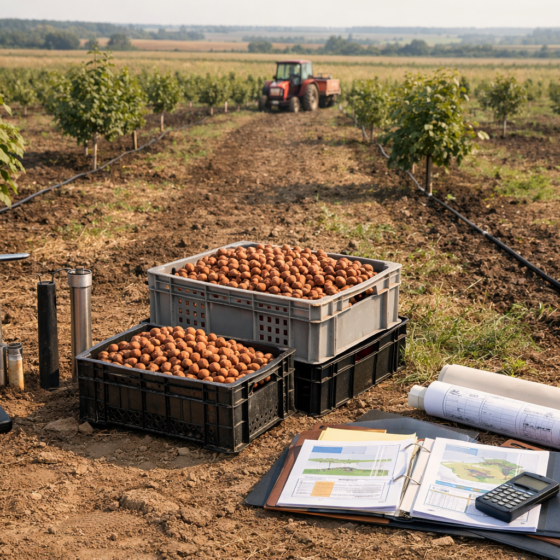
The business can be profitable, but farmers need the right land, technology and patience before the first full commercial harvest
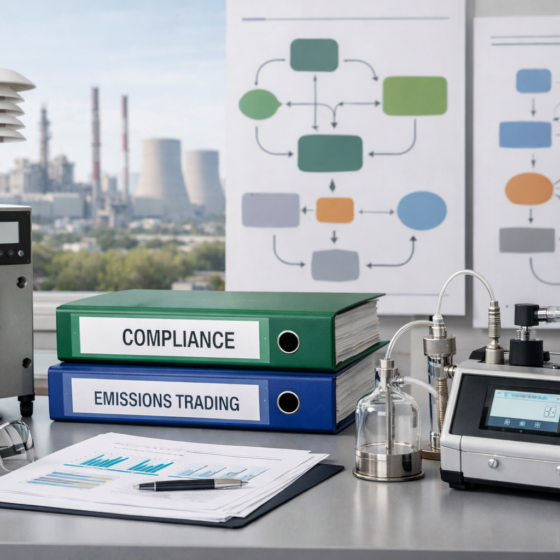
Cooperation with Germany focuses on monitoring, reporting, verification and the institutional model for a future carbon market
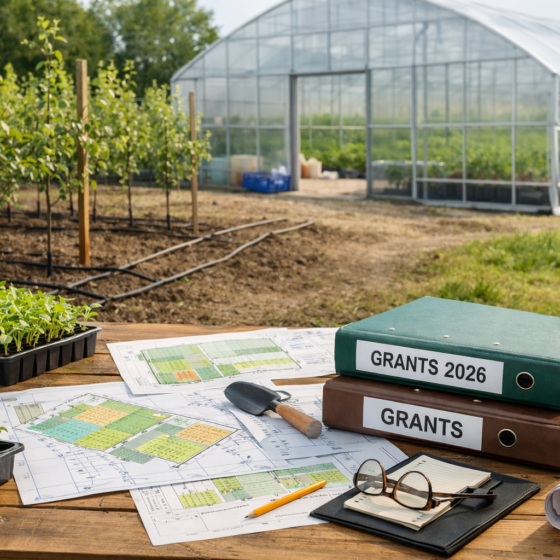
The restored program has already financed new projects in 2026, while additional support for storage and processing is being prepared
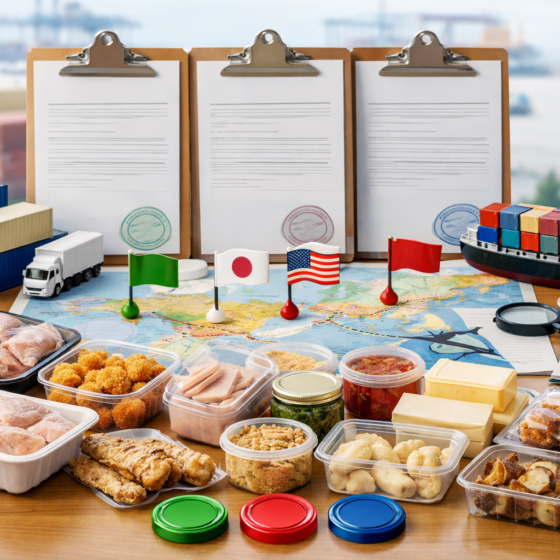
The export agenda goes beyond grain by focusing on poultry, pork, processed food and certification for Asian and global markets
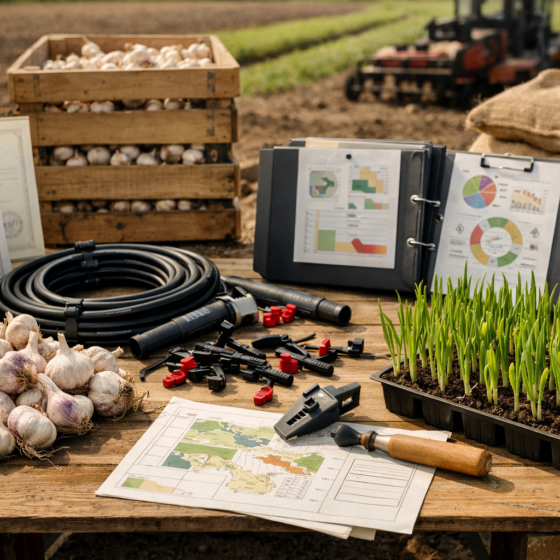
The niche crop offers diversification for farms, but success depends on planting material, technology, storage and cooperation

The transformation of Forests of Ukraine is meant to improve governance, illegal logging control, biodiversity protection and business predictability
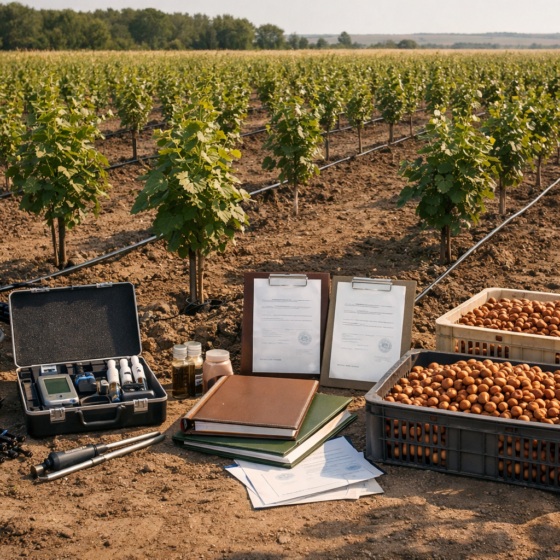
High upfront costs, irrigation choices and certified planting material define a business that can work over decades

Nitrogen fertilizers dominate purchases, while wartime disruption and global price pressure keep the input market sensitive for farmers
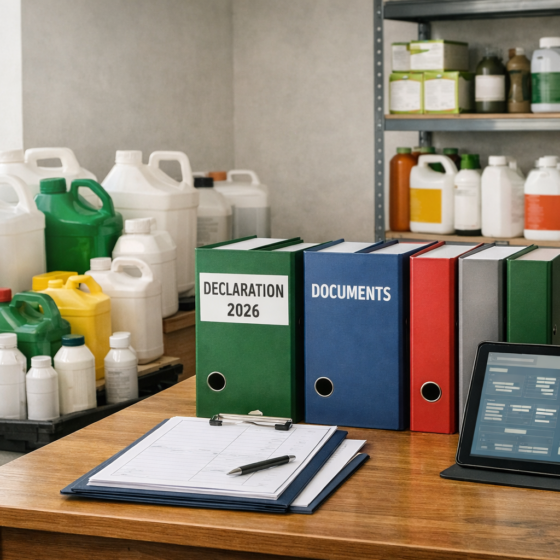
Farm companies need to organize internal records for packaging, hazardous waste and primary documents before the new reporting cycle
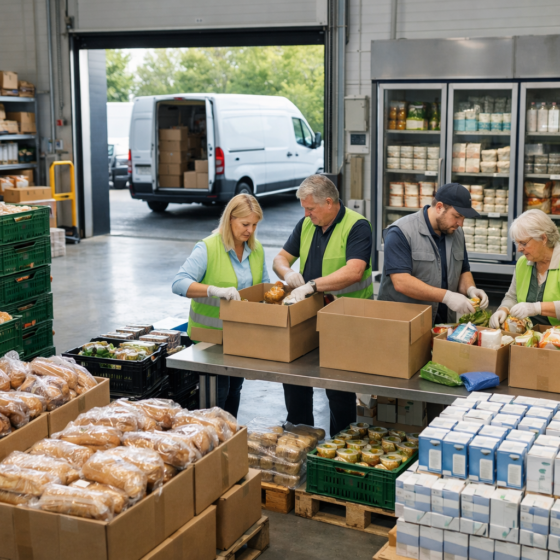
The model would redirect safe unsold food from retailers and producers to vulnerable people instead of sending it to waste
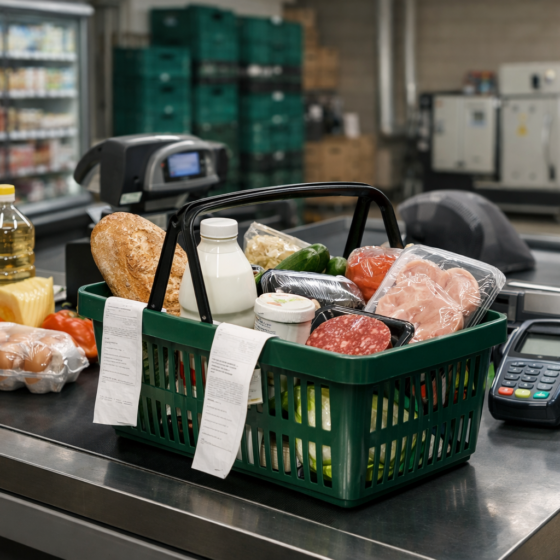
Higher energy, logistics and labor costs are narrowing the price gap with the EU while household incomes remain far behind
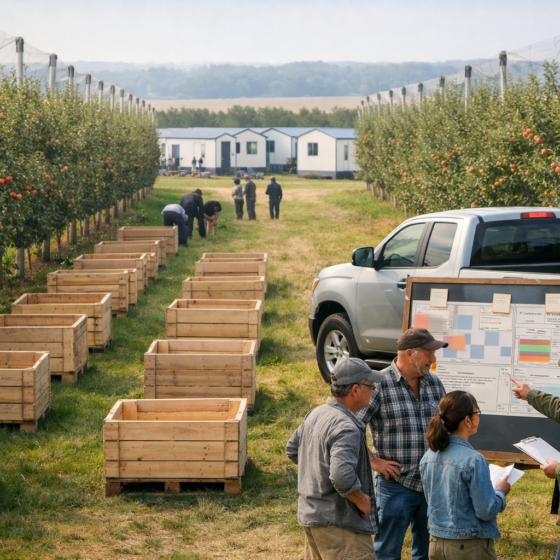
Labor shortages are pushing fruit growers to consider international seasonal hiring as a practical production tool
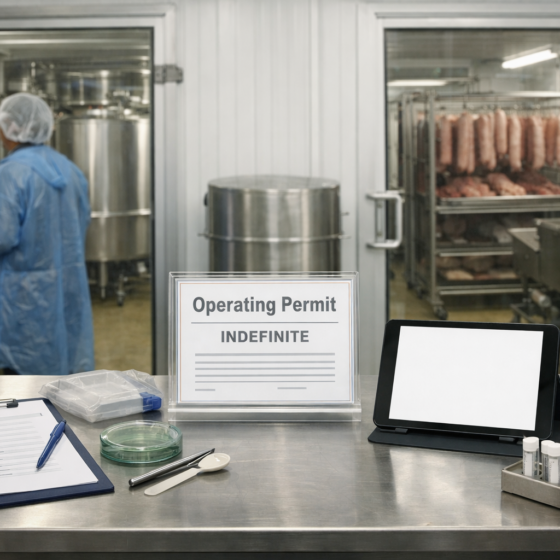
Food producers working with higher-risk products now have a clearer sequence for applications, inspections and permit decisions
