

Thursday, January 15, 2026
Iute Group buys Iute Bank in Ukraine: what a new digital bank entry means for investors
The deal structure via a bridge bank signals a controlled market entry with clear upside and execution risks
call now:
+19295909311 The deal structure via a bridge bank signals a controlled market entry with clear upside and execution risks
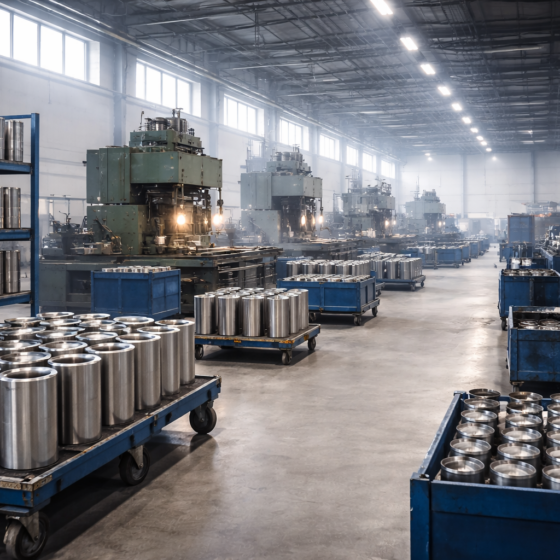
The next bottlenecks are regulation, security design, and local supply chain readiness

Faster access for state and private buyers and quicker grid connection rules aim to reduce outages during winter pressure

A digital hiring flow can reduce shadow practices, speed onboarding, and raise compliance standards across the labor market

The new incentive limit is designed to unlock external funding and help companies resolve legacy cross border obligations

Unified sampling rules and a national lab database raise the compliance bar
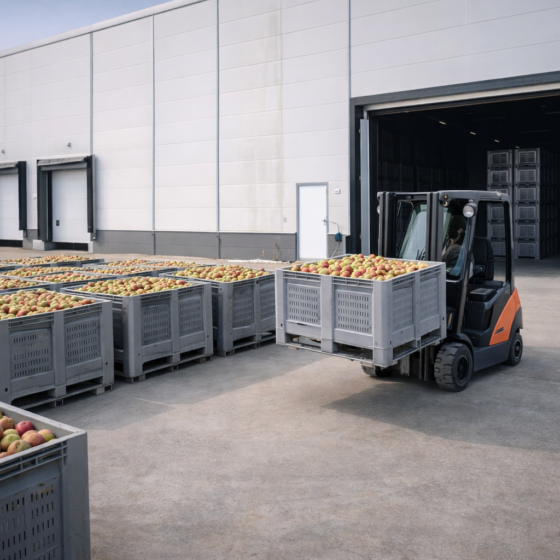
Lower posting frequency and a rise in pear offers show where margins and logistics will matter most in 2026

Why carbon costs and export concentration may reshape the sector for investors

Why processing capacity matters for exports, margins, and investor risk

Over 11 million cubic meters shipped in 2025 signals a new export lane for renewable gas projects
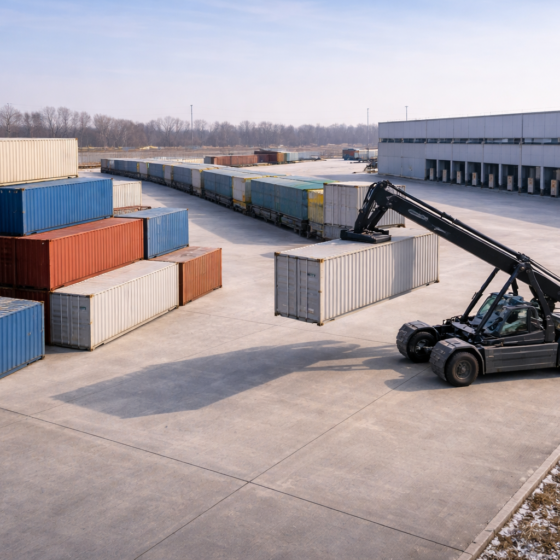
Zero tariff ambitions could reshape location choices for manufacturing and logistics
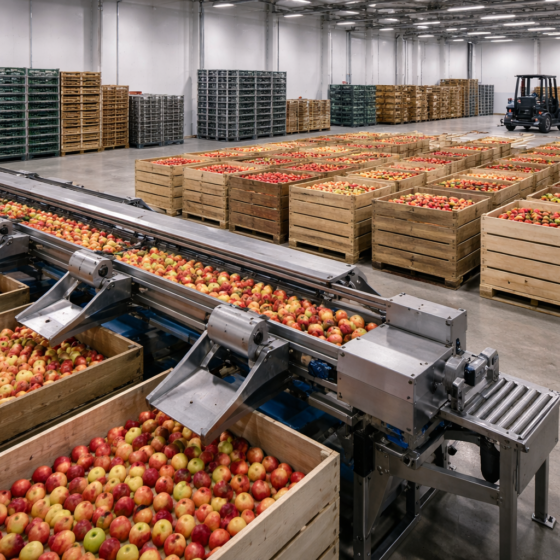
Better consistency, lower losses, and stronger export readiness for a competitive segment

Reserves are large, but execution depends on logistics, power costs, and stable project rules

Higher unit prices, tighter compliance and cold chain capacity reshape an investable value chain

Minority capital with longer horizons targets processing and decentralized grain storage near production regions

Abundant feedstock and reconstruction needs create a window for large scale green fuel exports to Europe

A joint production site in the EU is set to scale Ukraine’s unmanned maritime capabilities and de-risk the defence supply chain

Producers prepare for reconstruction-driven growth while warning that the steel scrap deficit will deepen
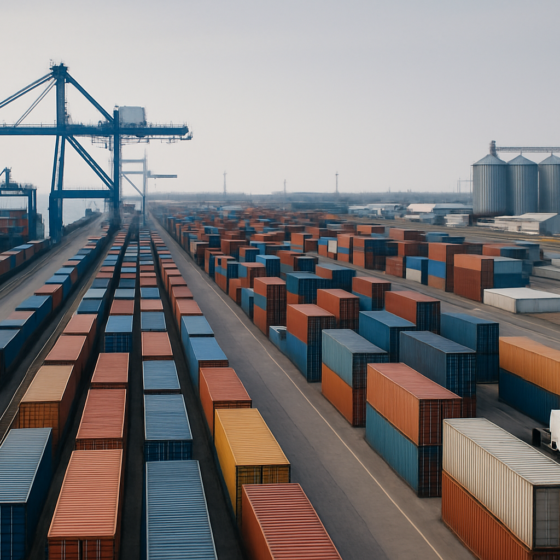
New research shows that Ukraine could add at least $10bn in exports to the EU by using critical materials, defence production and industrial upgrading to support Europe’s strategic autonomy
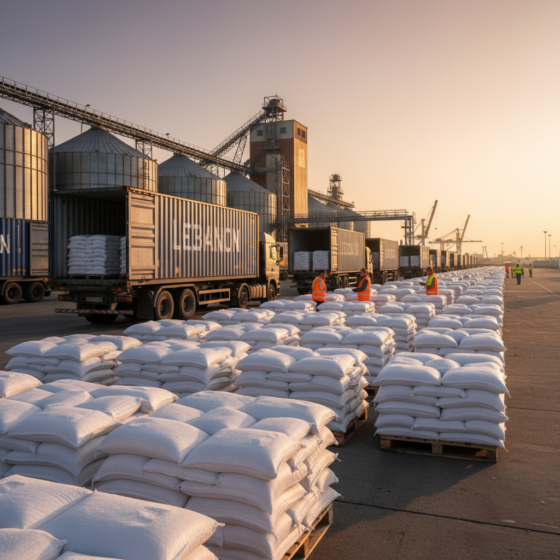
In the first quarter of the 2025/26 season, nearly all Ukrainian sugar exports shifted to the Middle East and Western Balkans.

Shifting EU demand is turning Italy into the most stable and profitable market for Ukrainian corn exporters.

Ukraine’s Ministry of Finance and customs authorities continue systematic work on a new Customs Code based on EU legislation, aiming to give business clearer rules, more digital procedures and a predictable environment for trade and investment.

Officials, businesses and experts from Poland and Ukraine use the Agro Security Forum 2025 to align logistics, investment and risk management so Europe’s food supply remains stable despite war and global shocks.

Processing helps Ukraine move from raw exports to branded foods with higher margins and stable EU demand
