
Monday, June 22, 2026
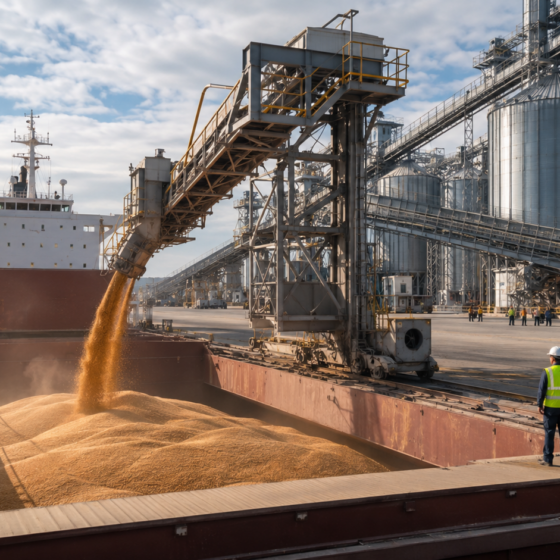
Algeria and Indonesia support demand for Ukrainian wheat
Black Sea physical trade remains restrained, but North Africa and Southeast Asia continue to shape export flows
call now:
+19295909311 Black Sea physical trade remains restrained, but North Africa and Southeast Asia continue to shape export flows
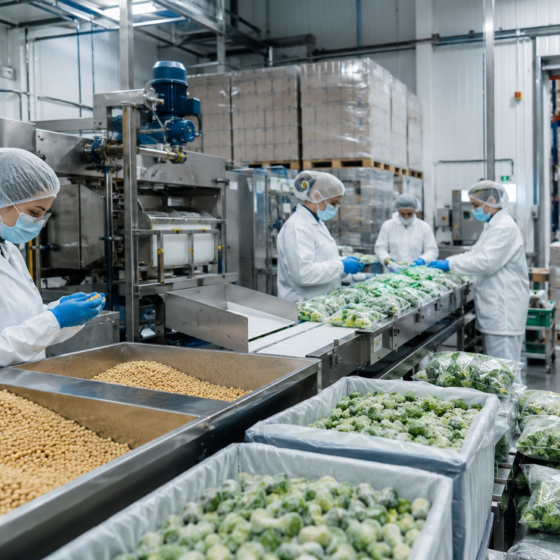
Processing, cold storage and cooperation with Poland could help Ukrainian agribusiness move up the value chain
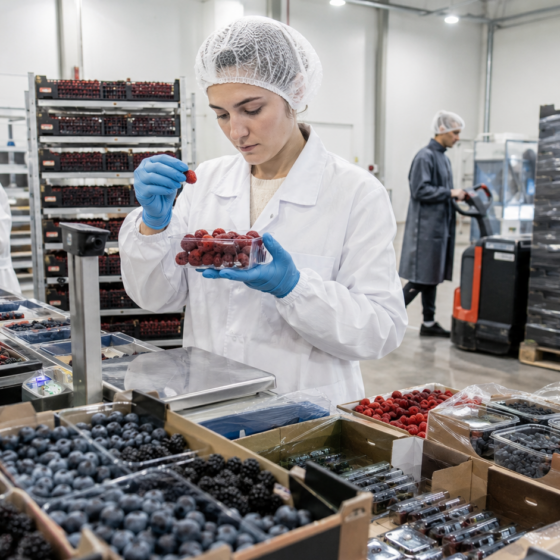
Fresh logistics, certification and cold storage are becoming decisive for berry exporters

The result strengthens the country’s visibility in a global competition with thousands of entries
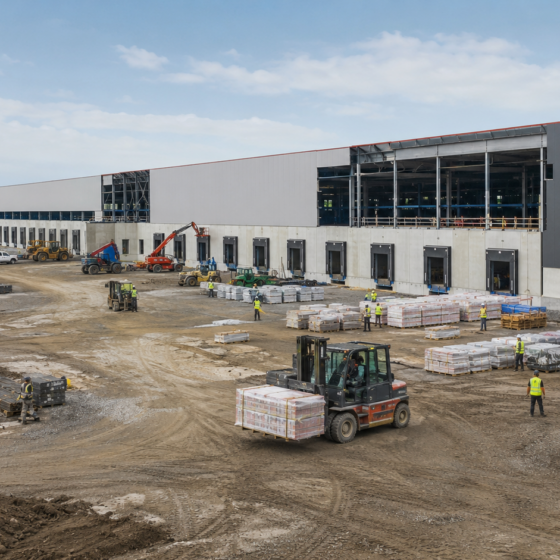
The project adds food-industry capacity, export infrastructure and another resident to Ukraine’s industrial park model
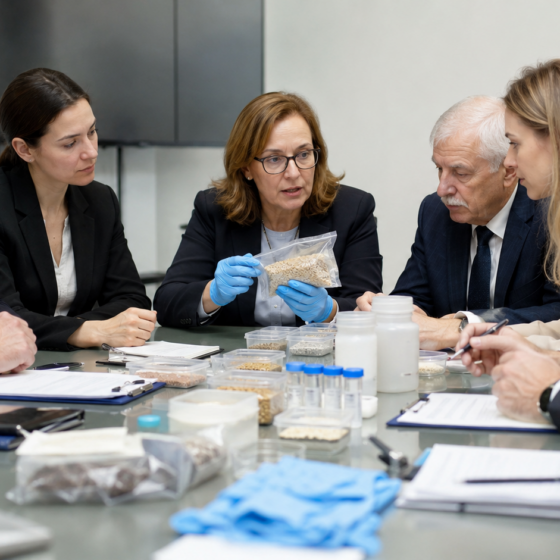
The participation strengthens regulatory trust, export dialogue and alignment with EU control practices
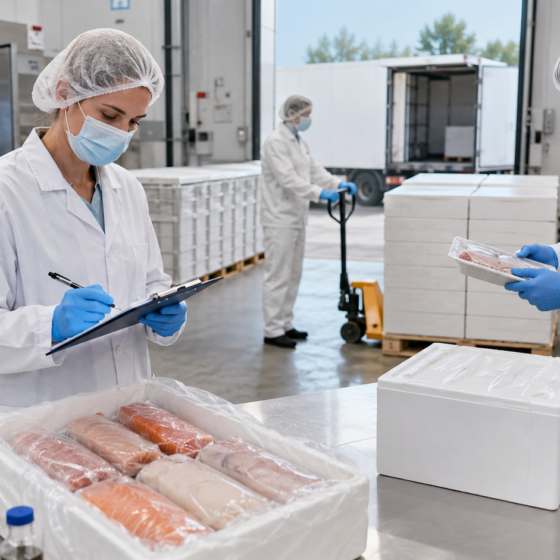
Food safety, veterinary control and product compliance remain the entry point for Ukrainian producers

Licensing payments may affect import duties when intellectual property is tied to the sale of goods
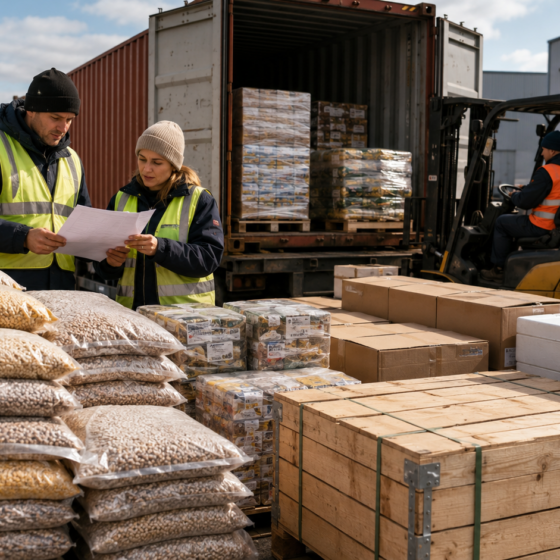
The extended trade regime preserves lower import costs for most Ukrainian goods until June 2027
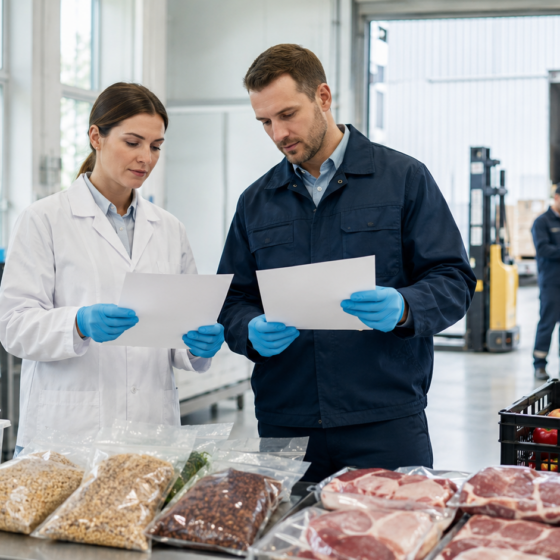
The talks focused on export access, animal health, plant protection and technical assistance
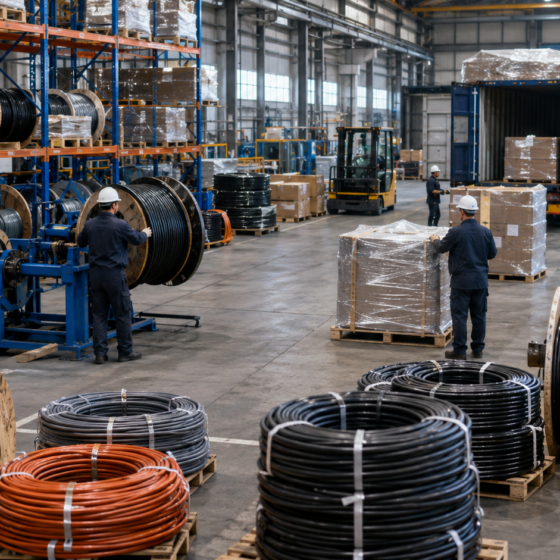
Germany remains the main buyer, while imports into Ukraine are also growing quickly
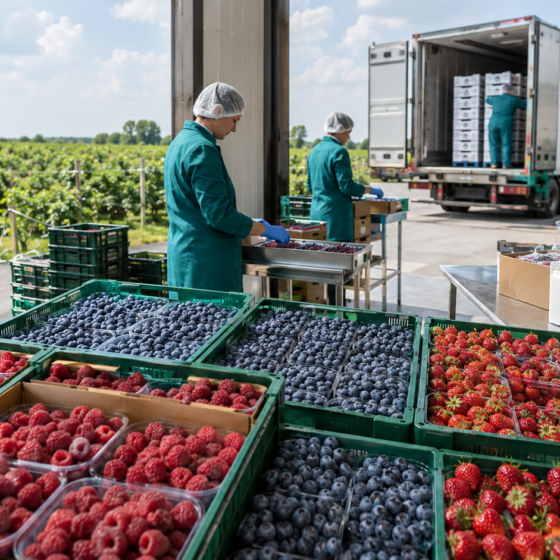
Stable European demand can support farmers, quality upgrades and export revenue
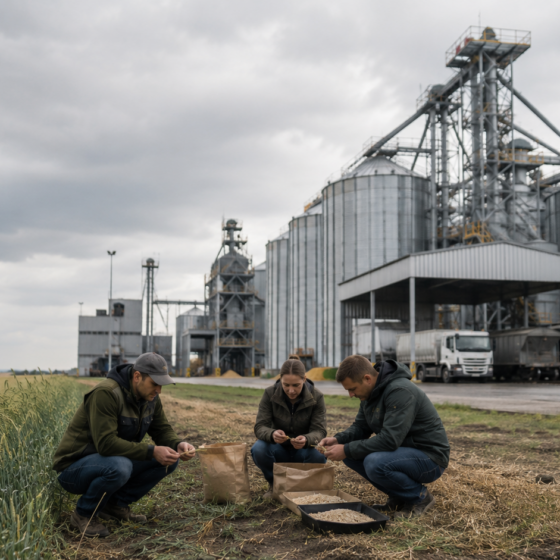
Fertile land, exports and processing projects keep agriculture central to recovery plans
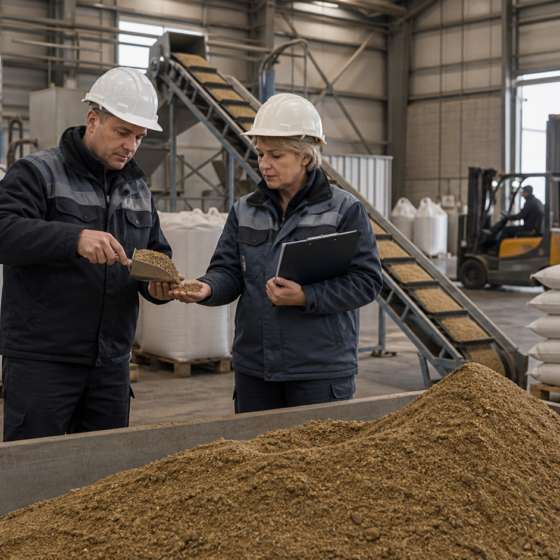
A shift in Chinese demand opens room for Ukrainian oilseed processors and logistics operators

Lithuania, Romania and Germany became key directions while retailers prepared for summer demand
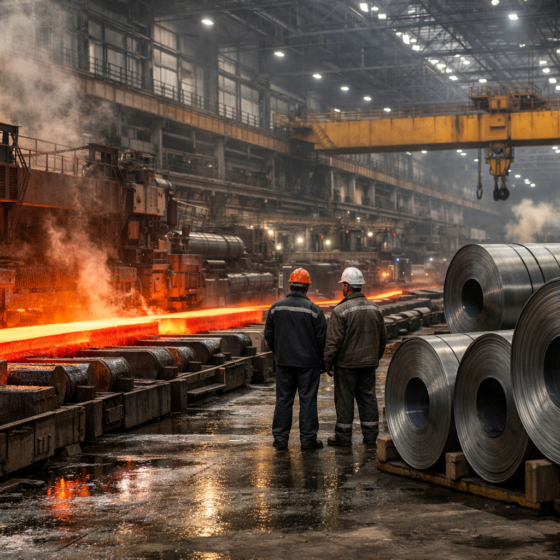
Metallurgical plants raised monthly production of rolled steel, pig iron and steel

The draft Customs Code introduces AEO benefits, guarantees and the right to be heard

The draft introduces customs detectives, stronger social guarantees, rotation and integrity checks
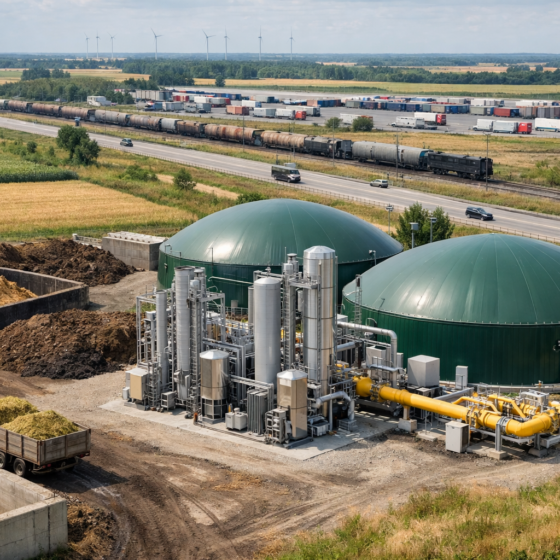
Agricultural waste, logistics and investment could turn renewable gas into a new export market
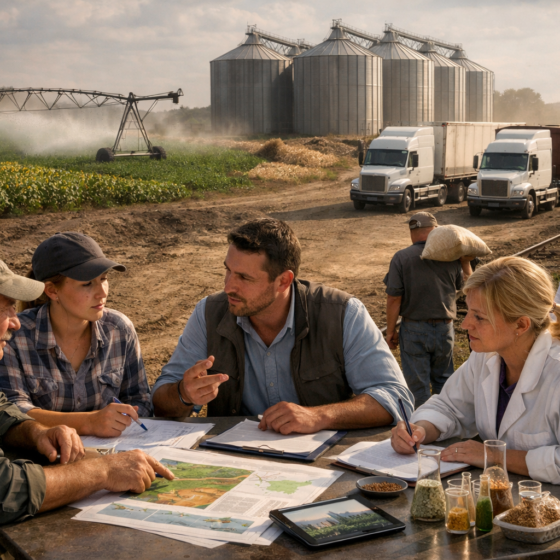
European standards, climate pressure, logistics, labor shortages and innovation will define competitiveness
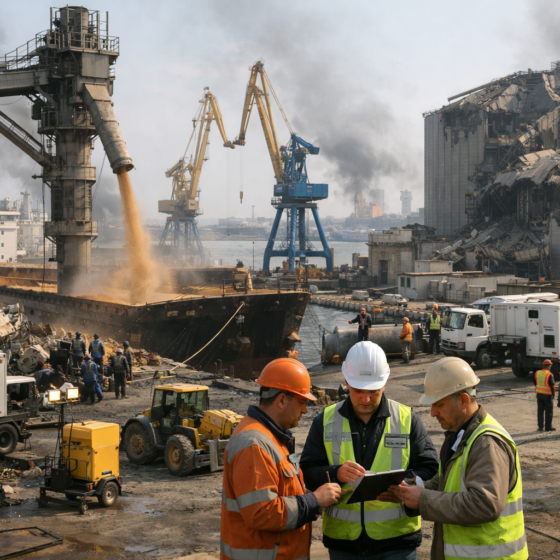
Business warns that port damage affects the entire export economy, not only terminal owners
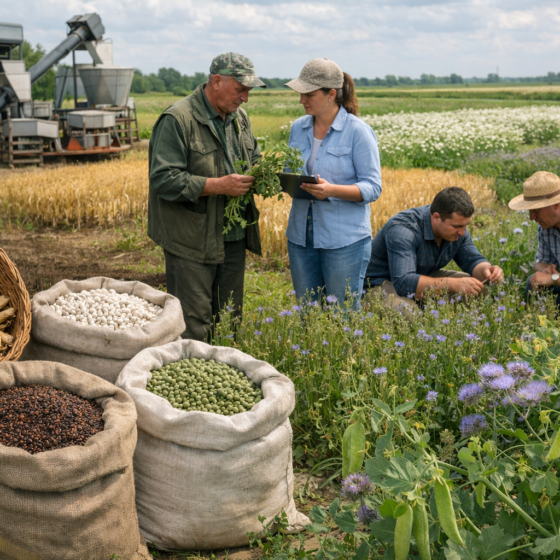
Producers are diversifying away from traditional grains and oilseeds to reduce market risks
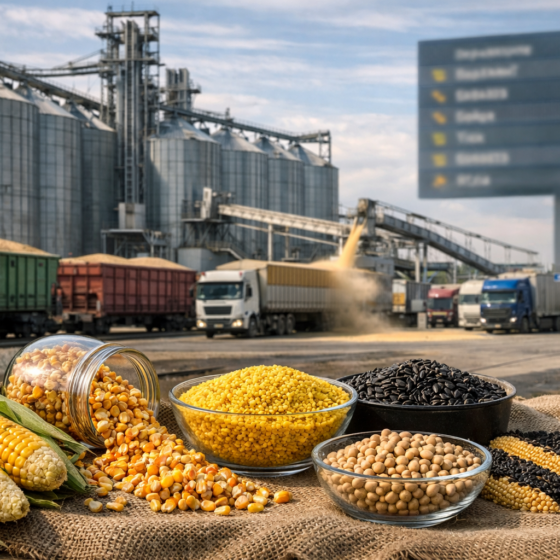
Three decades changed crop geography, export routes and the role of the European Union
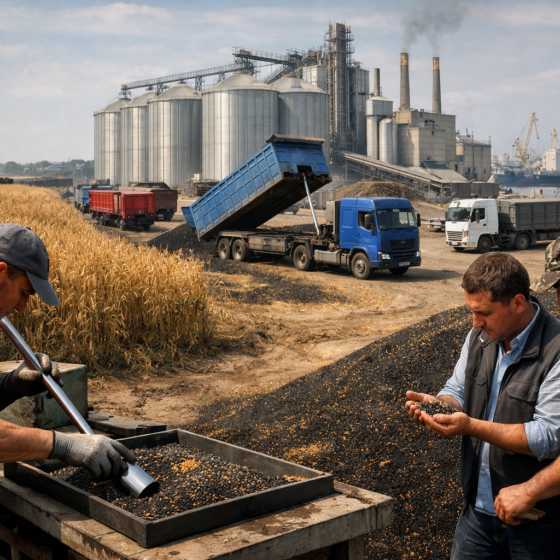
Limited sunflower supply is pushing plants to compete for the new oilseed crop
