
Thursday, July 2, 2026
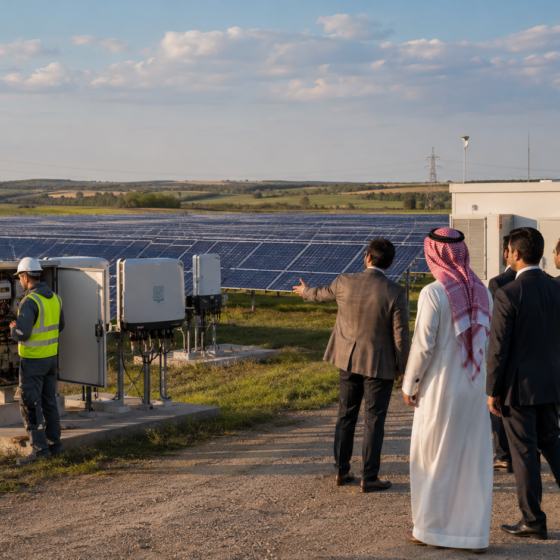
Saudi FAS Energy plans to acquire four Ukrainian solar power plants
The transaction would transfer controlling stakes in renewable assets from SPP Development Ukraine, subject to competition approval
call now:
+19295909311 The transaction would transfer controlling stakes in renewable assets from SPP Development Ukraine, subject to competition approval
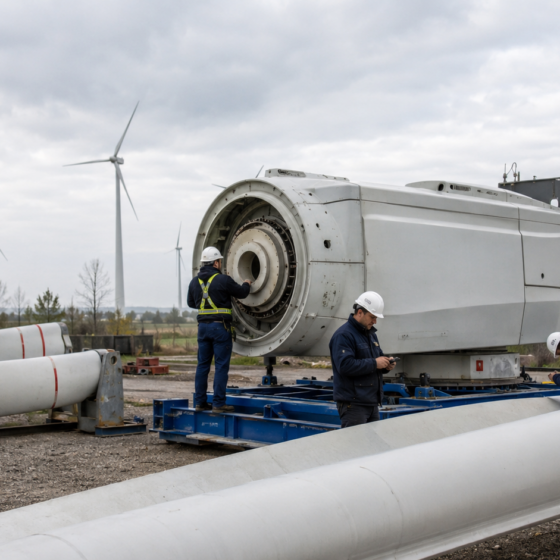
Hundreds of dismantled machines may retain fifteen to twenty years of service after inspection and refurbishment
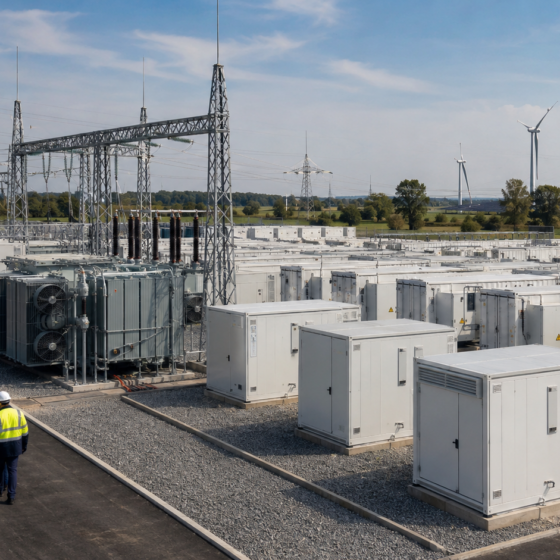
Nearly three gigawatt-hours of completed projects place the country among the continent’s fastest-growing BESS destinations
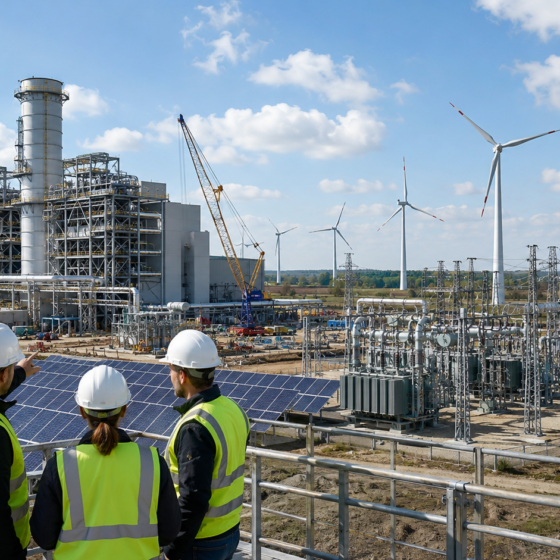
Flexible gas generation, wind power, grid equipment and a green gigawatt move from recovery plans toward financing
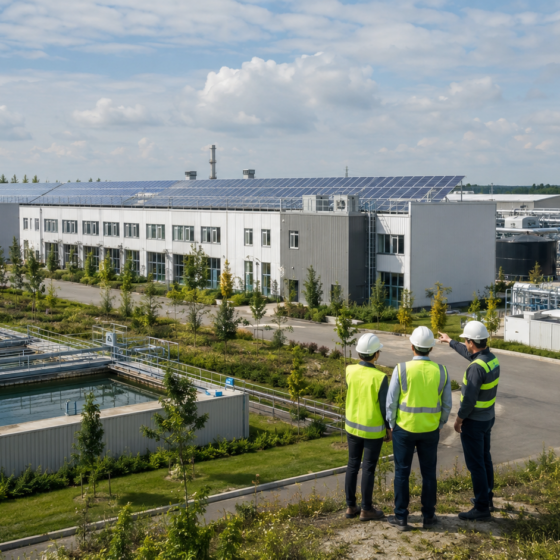
Environmental alignment with the European Union is becoming an investment framework for long-term recovery
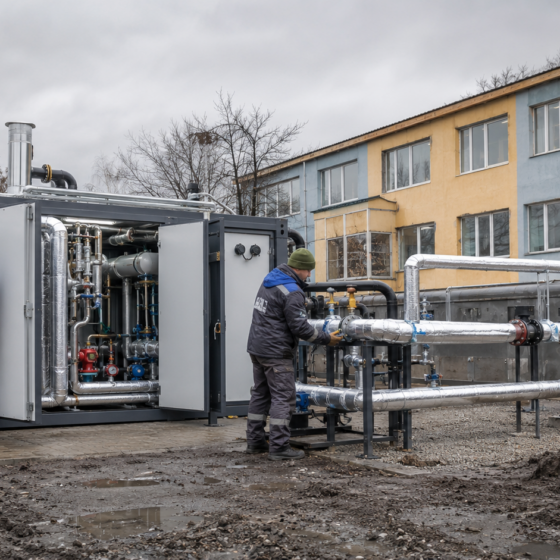
The cooperation covers automation, power distribution, cybersecurity and resilient low-carbon systems

Cooperation with Mayekawa will focus on energy efficiency, industrial cooling and lower-carbon oil and gas operations
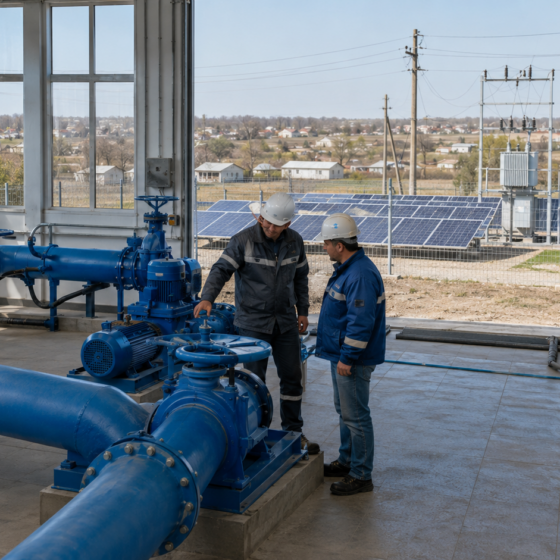
Sweden and Denmark will provide more than forty million euros for renewable energy, utilities and municipal recovery
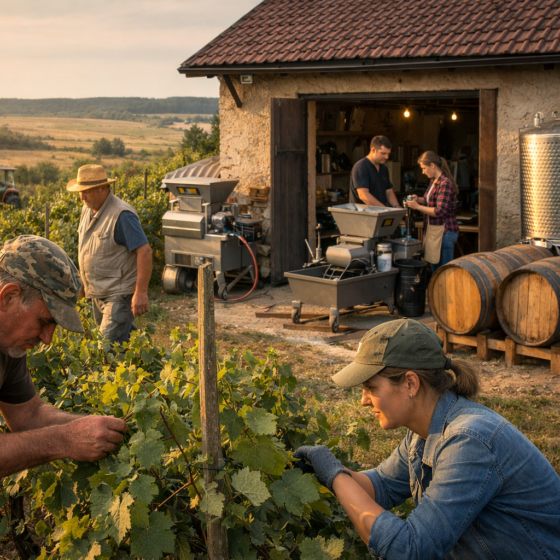
Simpler licensing, new regions and stronger grape economics are reshaping the craft wine market
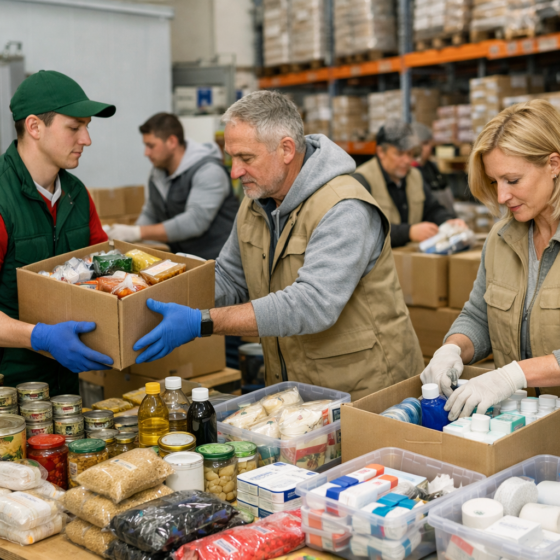
Retailers will be encouraged to donate safe unsold goods, while deliberate destruction of usable food may be punished

The campaign highlights measurable business projects with public and civic partners in ESG, recovery and social impact

The state is updating fuel control, laboratory testing and technical regulations as it aligns gasoline rules with European requirements
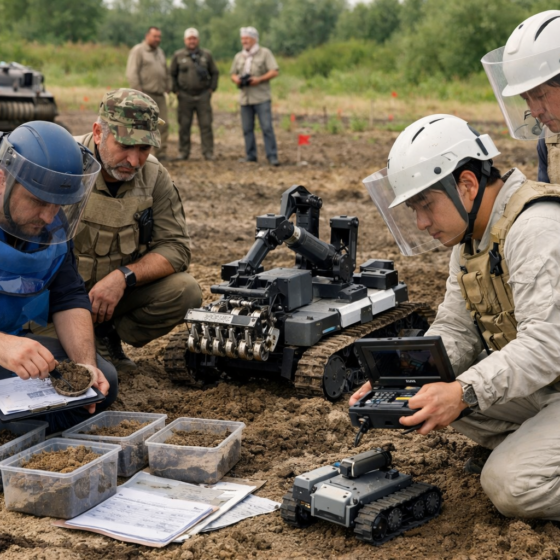
The initiative could open foreign markets for Ukrainian demining operators and specialized equipment producers

The government wants businesses and local generators to use long-term agreements without mandatory electronic auctions
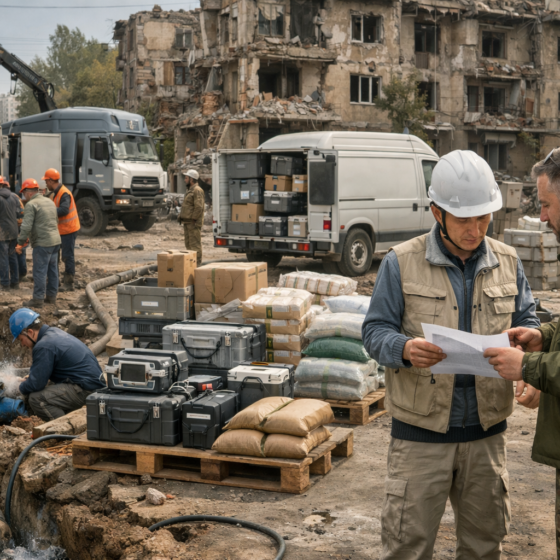
The new grant will fund the fifth phase of urgent restoration work in utilities, medicine, agriculture and information resilience

The Izmail deposit combines large reserves with rare logistics access to ports, rail and the Danube
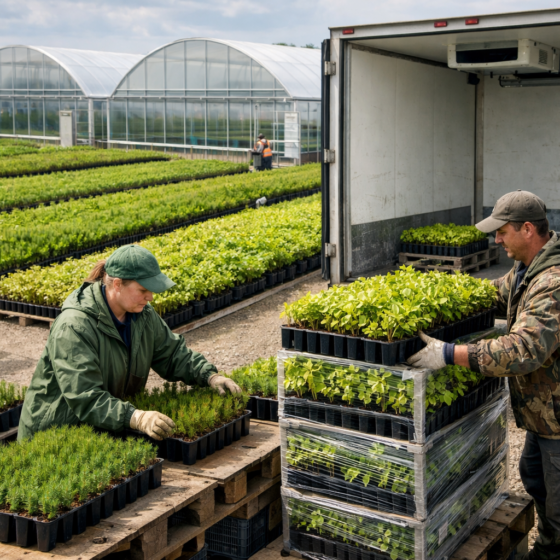
Nurseries could export millions of young trees as Europe expands reforestation programs

The draft law would align climate regulation with EU rules and create a market mechanism for industrial decarbonization
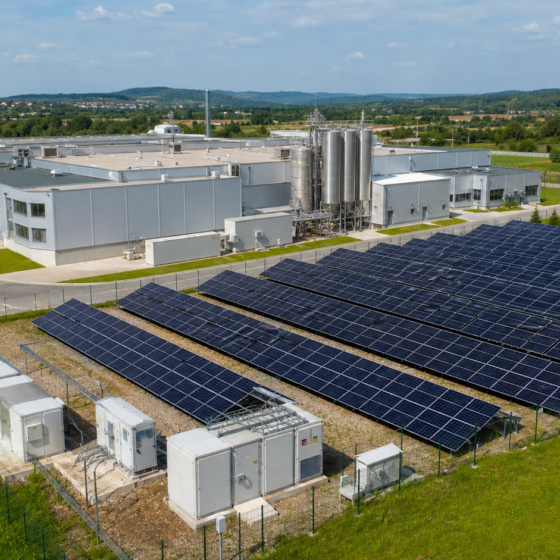
The pet food producer plans to launch a 366 kW ground solar plant and raise its total on-site capacity in Prylbichi to 808 kW
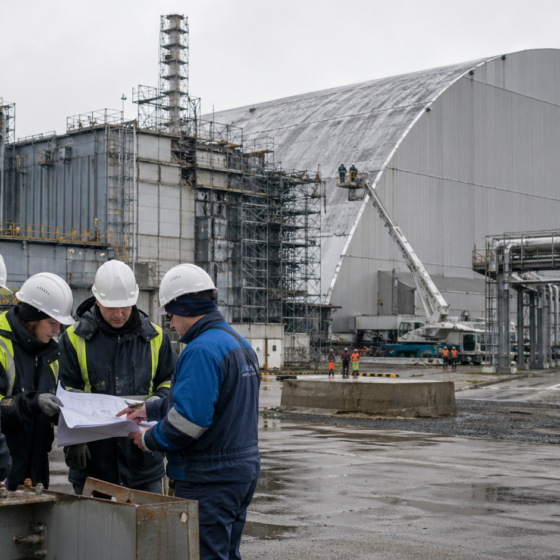
Support for Chornobyl confinement repair shows that strategic infrastructure protection remains part of wartime resilience
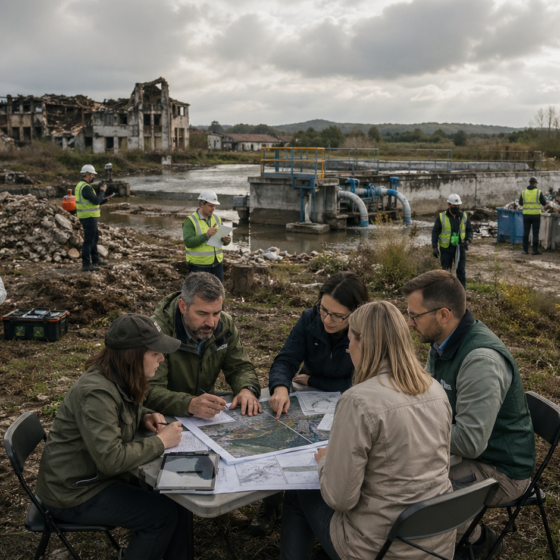
Safe territories, debris control, clean water, pollution mapping, and modern standards should shape post war rebuilding
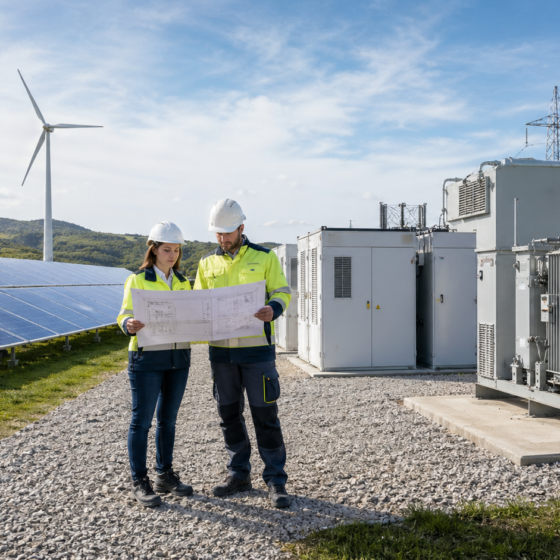
The draft law introduces renewable energy targets, energy communities, special zones, storage, and simpler investor procedures
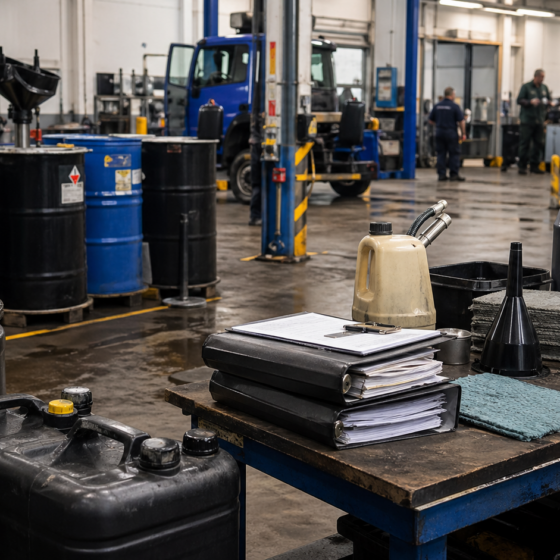
Companies get less paperwork, but the responsibility for hazardous waste and expense evidence remains

Recycled concrete and asphalt will be used for repairs
