
Wednesday, April 8, 2026
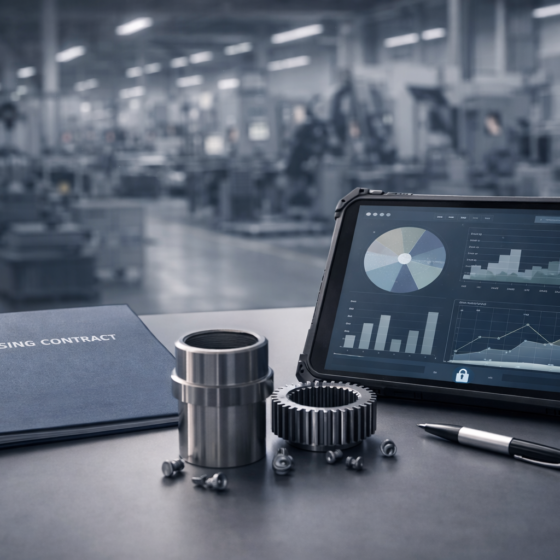
Defense manufacturers can access leasing up to 500 million UAH
Program terms: up to 5 years with state compensation
call now:
+19295909311 Program terms: up to 5 years with state compensation

Market grows selectively with stable prices

Investors kept yields despite higher energy costs

Corporate support expands from donations to long‑term programs
Parliament debates how to fund road infrastructure fairly
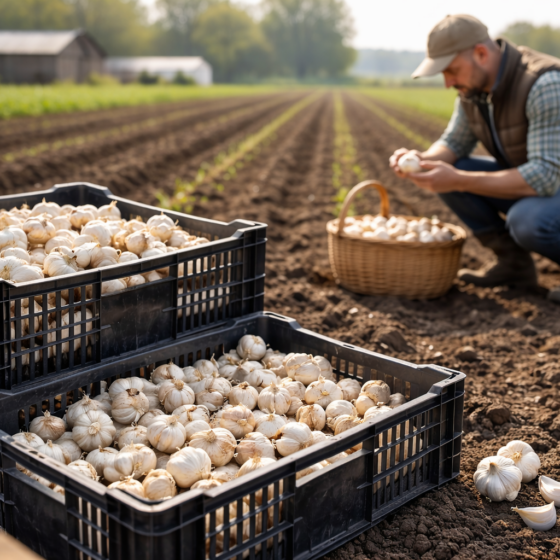
Producers warn about unverified planting material
March trade shows negative balance of 7.4 million USD

Recycled concrete and asphalt will be used for repairs
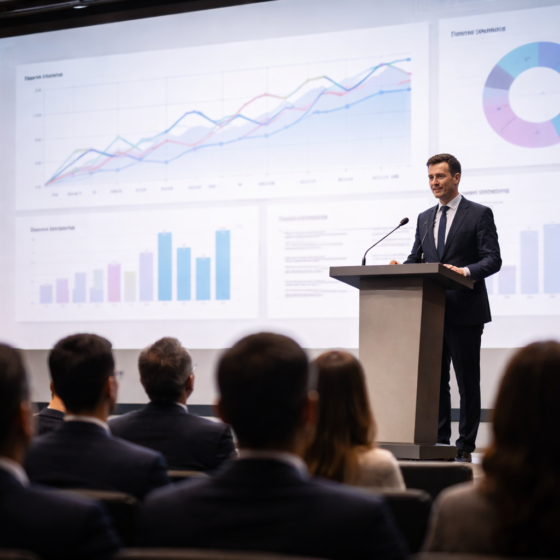
Medical, motor and property insurance lead future growth

92 thousand declarations filed in the first three months of 2026

Production roles gain importance as the economy changes
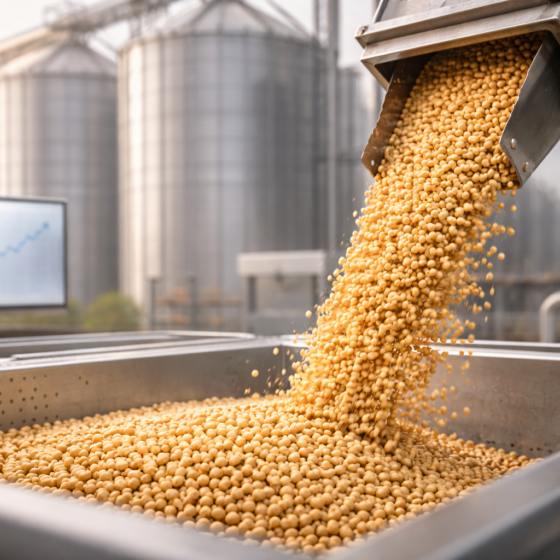
Domestic crushers pay more as export prices soften

Compliance deadlines and settlement rules remain strict

Stability rankings reflect stress resilience, liquidity and capital

New partner model opens logistics roles without upfront capital
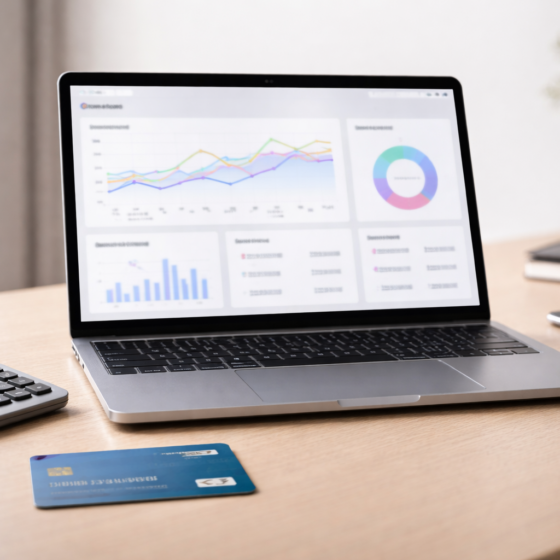
Euro payments integration seen as key EU harmonization step

Talks focus on energy and logistics security
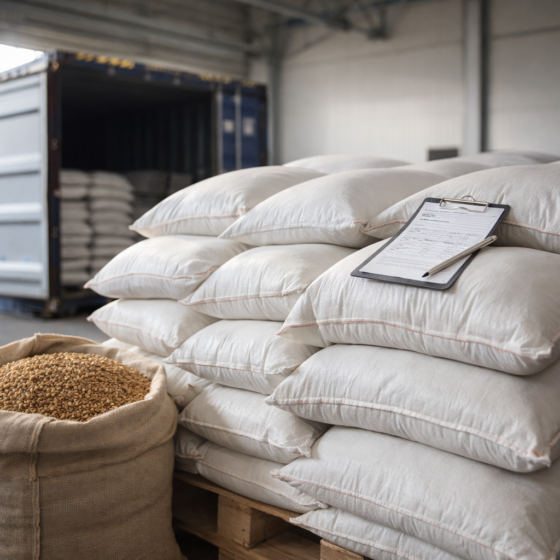
Protocol with China defines quality, control and export rules
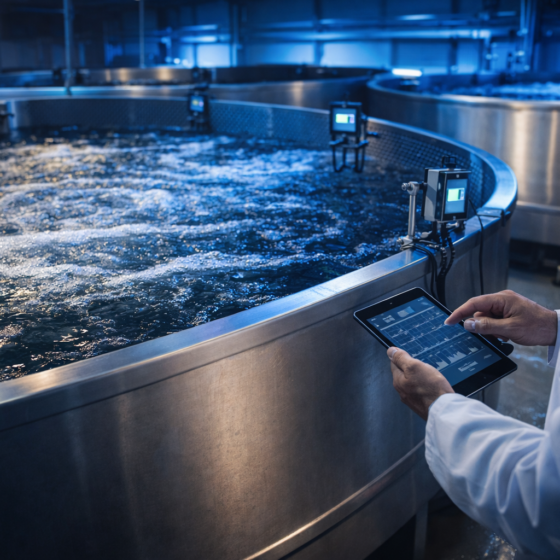
Government widens support for freshwater fish farming
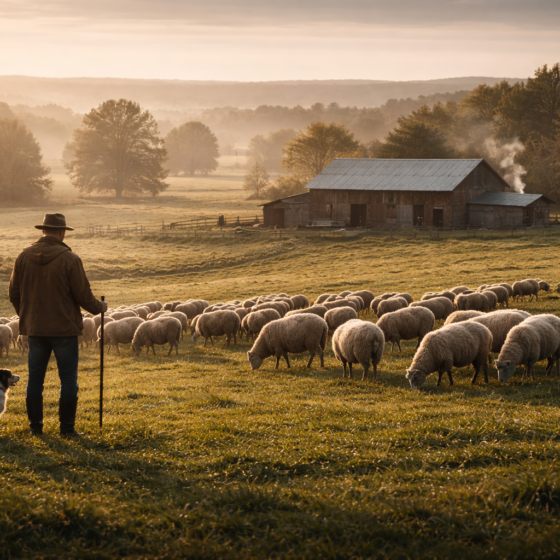
Flock numbers down over 13 percent and production remains unprofitable
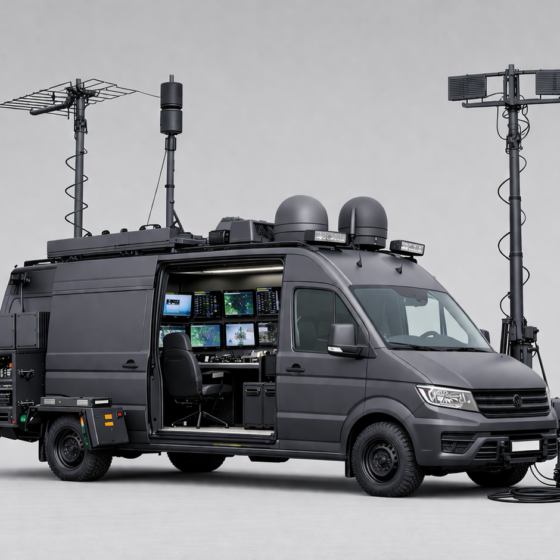
One platform for detection, direction finding and rapid response
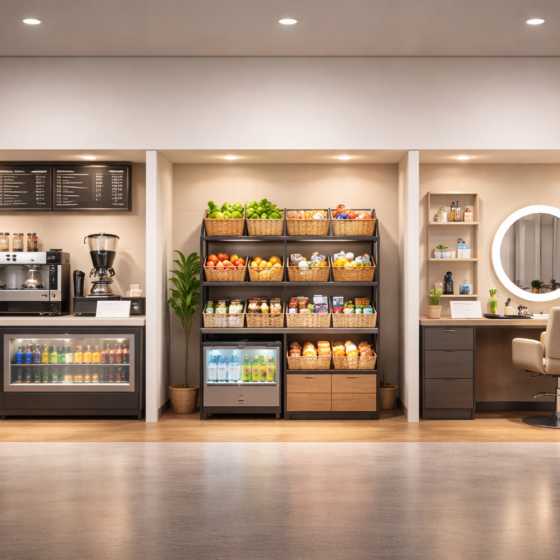
Entry budgets vary by sector and scale

Logistics risk grows as transit routes become more fragile
Rules remain risk based, focus is on transparency of funds
